
Ethical SEO is absolutely worth the effort in 2026 because it delivers more stable rankings, stronger trust, and long-term growth than any shortcut.
We’ve worked with hundreds of businesses over the past five years and have seen both approaches play out. And honestly, the shortcuts always blow up eventually. Honest strategies, however, build businesses that last.
This guide shows you why over-delivering on value beats manipulation. You’ll learn:
- Why ethical SEO delivers better business results than black hat tactics
- How to build a rock-solid foundation that survives algorithm updates
- What cutting corners means for your business in 2026
Ready to build something that lasts? Let’s get started.
What Is SEO Ethics?
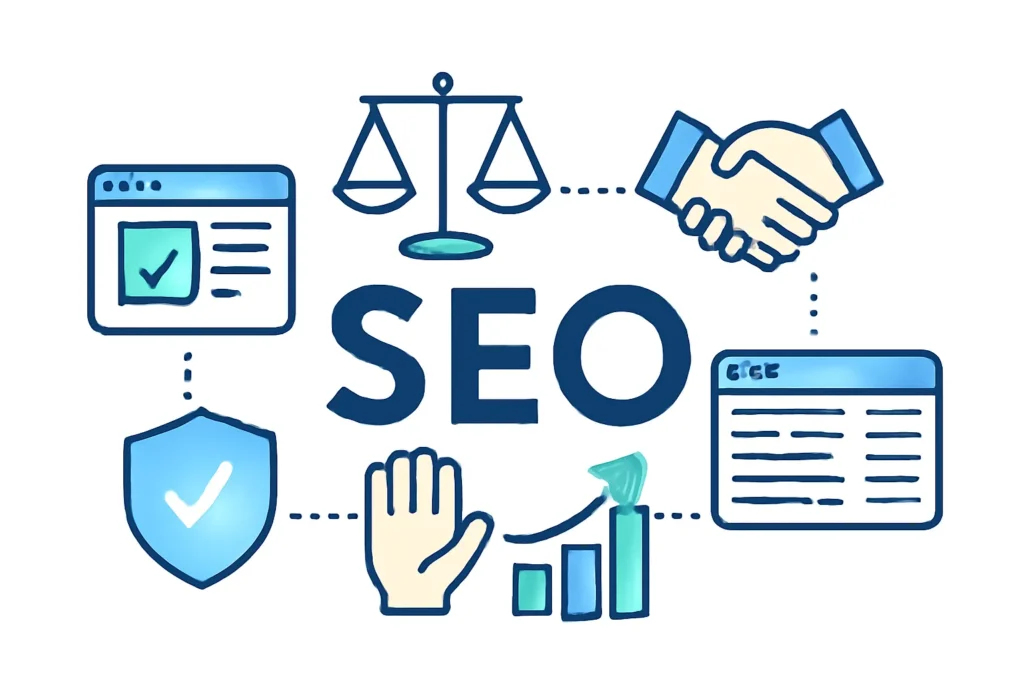
SEO (Search Engine Optimization) ethics or white hat SEO means following search engine guidelines while creating content that actually helps people.
Think of it like building a sturdy house. You follow the blueprint and use quality materials, so it lasts for years. Ethical SEO practices include earning links naturally, following technical best practices, and skipping manipulation tactics. There are no tricks or shortcuts, just strategies that work long-term.
Black hat SEO and other unethical SEO tactics are the exact opposite. They break every rule in the book. We’re talking about buying links, hiding text, or manipulating rankings through deceptive methods. Google actively hunts for these practices and penalises sites that use them.
The question isn’t whether ethical SEO is “right” (we all know it is). The question is: does it actually work better than shortcuts?
Why Honest SEO Delivers Better Results
Honest SEO delivers better results by building sustainable rankings, generating higher conversions, and creating compounding authority that grows stronger over time. Sketchy tactics might get you quick wins, but they inevitably lead to penalties and lost revenue.
Sustainable Rankings Survive Algorithm Updates
Google’s Helpful Content Update, which began in August 2022 and continued through 2023, targeted sites pumping out low-quality content at scale. For example, CNET faced backlash in early 2023 after AI-generated articles contained factual errors. The company later scaled back automation and implemented human review.
The takeaway: Ranking algorithms reward real expertise and experience. Sustainable visibility means staying steady through every update.
Authentic Content Converts Way Better
Customers spot the difference between valuable content and generic AI-generated content, and it shows in conversion rates. In our experience, authentic brands convert 2-3x better than sites pumping out thin content because readers can tell when you know what you’re talking about.
That trust translates directly into sales. When someone reads your content and thinks “this person gets it,” they’re way more likely to buy from you than from a competitor whose content sounds like a robot wrote it.
Ethical SEO Builds Compounding Authority

While it’s true that black hat tactics get quick wins, you’ll likely spend the next six months recovering from penalties. Patient SEO strategies win long term because each piece of quality content you publish strengthens your site’s authority.
After a year of honest SEO, you’re building on a foundation that keeps getting stronger. The math is simple: would you rather chase short-term traffic spikes that disappear overnight, or build organic traffic that compounds year after year?
Building a Rock-Solid Ethical SEO Foundation
White hat SEO techniques come down to four practices that work, including quality content, genuine backlinks, solid technical SEO, and full transparency.
Quality Content that Demonstrates E-E-A-T
E-E-A-T stands for Experience, Expertise, Authoritativeness, and Trustworthiness. It’s Google’s framework for evaluating high-quality content and determining what deserves the top spot.
Each piece means something specific for your content:
- Experience: Show you’ve done this stuff. If you’re writing about conversion rate optimization, don’t just say “test your headlines.” Share that you tested 12 variations and boosted conversions by 34%. Real numbers beat generic advice.
- Expertise: Include credentials or relevant background, especially in sensitive industries like medical content. We learned this when a client’s health articles tanked without author bios listed upfront. Readers and Google both trust content from verified experts, so make those qualifications visible.
- Authoritativeness and Trustworthiness: Cite reputable sources and publish original research whenever possible. Unique insights attract natural backlinks from other sites, which signal authority to search engines. The more original data you share, the more other websites will reference you.
Once your content demonstrates real expertise, the next step is earning links to back it up.
Earning Real Backlinks Through Genuine Value
Create resources other websites naturally want to reference, like original research, comprehensive guides, or tools that solve specific problems. Relying on cold emails for backlinks rarely moves the needle, because most get ignored or deleted (trust us, we’ve tried).
Instead, build real relationships with people in your industry. When you help someone solve a problem or provide unique insights they can’t find elsewhere, they’ll link to you without being asked. It takes longer, but those links move the needle.
But great content and links won’t save you if your site is broken.
Technical SEO Aligned with Google’s Guidelines
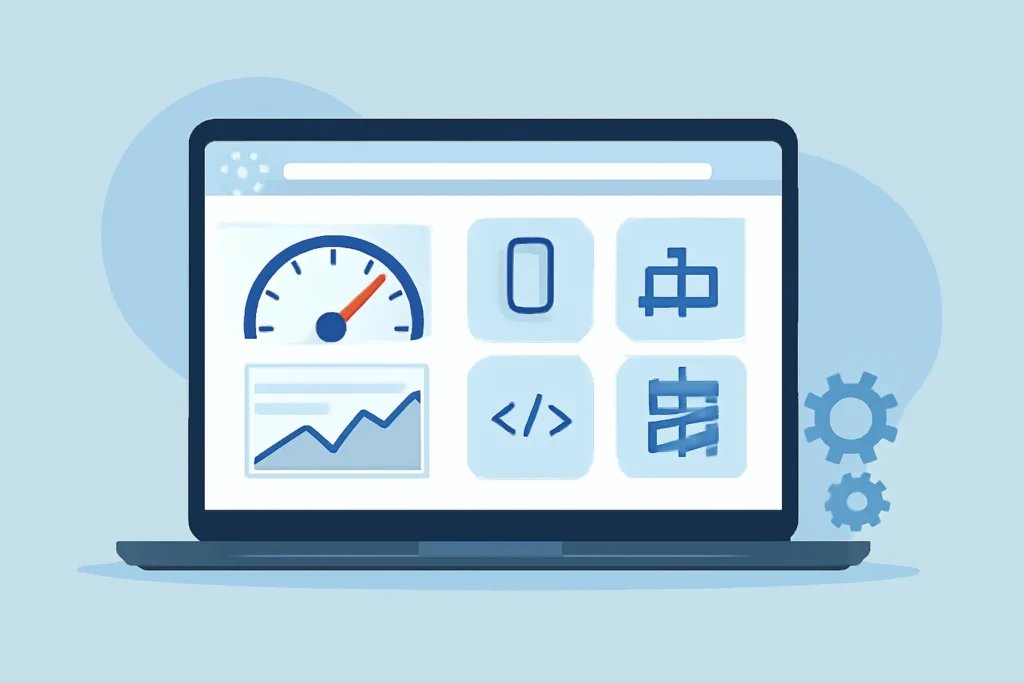
Your site needs to load fast, work perfectly on mobile, and be easy for Google to crawl. Sounds basic, right? Yet we still see sites losing rankings because they take 8 seconds to load or break completely on phones.
Use proper sitemaps and structured data to help Google understand your content. Following search engine guidelines like Google’s Search Essentials keeps you on track. But compliance alone isn’t enough. Run regular audits to catch broken links and duplicate content before they tank your rankings (because fixing problems after you’ve dropped 20 positions is way harder than preventing them).
Finally, none of this works without honest communication.
Be Transparent with Everyone Involved
Tell clients exactly what you’re doing and how long it’ll take. That means you don’t hide behind SEO jargon or promise them first-page rankings in 30 days just because it’s what they want to hear.
Sometimes you need to tell clients the hard truth, even if they don’t want to hear it. Since your reputation is more important than one difficult conversation, refusing to implement sketchy tactics protects both of you in the long run.
These four practices form your ethical foundation. They work across every industry and every strategy. But here’s the question everyone’s asking in 2025: where does AI fit into all this?
Using AI tools Without Crossing Ethical Lines
Google’s updates throughout 2023 and 2024 have increasingly targeted low-quality, mass-produced content. Their algorithms now spot patterns like generic phrasing, surface-level information, and robotic tones that readers dislike. This has led many people to wonder: Does this mean AI is completely off-limits for content creation?
Not exactly. The truth is, AI isn’t the problem. How you use it is. You just need to know where the line is.
These are the ethical standards for AI SEO:
- Use AI for Research and Outlining Only: AI can help you find topics and structure ideas, but don’t just hit publish on whatever it generates. You need to heavily edit any AI-generated content before it goes live, adding your own voice and expertise throughout.
- Add Your Actual Experience: This is where AI completely falls short. Include your tested results, case studies, or personal insights that only you can provide. For example, share the headline variations you tested or the conversion boosts you achieved. AI can’t manufacture real expertise, so this is where you prove you know your stuff.
- Fact-Check Everything: AI hallucinates. It makes up statistics, invents sources, and confidently states things that aren’t true. Verify every single claim, number, and reference before you publish. Trust us, getting called out for fake data destroys credibility fast.
- Disclose When Appropriate: Be transparent with your audience if AI played a major role in creating content. Readers appreciate honesty, and hiding AI usage can backfire when they figure it out (and they will).
- Never Mass-Produce Thin Content: Using AI to pump out dozens of low-value pages might seem efficient, but Google treats this as spam. Those pages won’t rank, and you’ll waste time creating content that does nothing for your business.
The rule is simple: AI assists humans, it doesn’t replace them. Use it to work faster, not to work around quality standards. If you get AI wrong, you’ll face serious consequences. Let’s look at what cutting corners actually costs your business.
The Brutal Cost of Cutting Corners

The SEO industry is projected to reach $176.16 billion by 2033, yet one penalty can destroy your rankings overnight. We’ve seen this happen so many times. A business spends months climbing to page one, then an algorithm update hits, and they’re suddenly buried on page five.
Or worse, completely gone from search results. And the ranking drop is just the beginning. The real damage from penalties goes much deeper.
Penalties Cost More Than Traffic
Recovery from penalties takes months, and the damage extends beyond rankings. Sites typically spend half a year or more removing toxic backlinks, rewriting content, and submitting reconsideration requests before organic traffic recovers.
Even after recovery, many sites never fully regain their previous visibility. Meanwhile, visitors who left during the penalty period have found alternative sources and established new habits.
The real damage goes deeper than numbers:
- Customer Relationships: Visitors find alternative sources, subscribe to other services, and establish new buying habits during your downtime.
- Industry Credibility: Partners distance themselves, other sites remove your backlinks, and collaboration opportunities vanish.
- Domain Authority: Penalty signals can suppress trust scores for years, even after the penalty is lifted.
- Brand Perception: Rebuilding relationships and trust takes years after penalty damage.
- Wasted Resources: Teams spend months fixing penalties instead of growing the business.
Every day you’re down, competitors serve your potential customers and turn them into repeat buyers.
The worst part? You can’t even measure what you’ve lost. Those customers who found alternatives during your penalty aren’t coming back, and calculating their lifetime value is impossible because you’ll never see them again.
In fact, we’ve seen companies realize that starting fresh with a new domain costs less than trying to recover a penalised one. Sometimes it’s better to cut your losses and rebuild.
Years of work gone, all because someone thought they could outsmart Google.
Honest SEO Still Wins In 2026
SEO in 2026 can feel like a pressure cooker. Updates roll out, AI content floods every niche, and plenty of people still push risky tricks for fast wins. It’s easy to feel like you have to choose between growth and staying honest, but you don’t.
You’ve seen what works and what doesn’t. White hat SEO takes longer upfront, but the payoff is worth it. You build rankings that survive algorithm updates, authority that compounds over time, and a business you won’t have to rebuild from scratch.
The shortcuts aren’t worth it. Not when one penalty can wipe out years of work in a single update.
If you’re ready to build search traffic the right way, work with a Brisbane team that over-delivers. Motifo builds ethical SEO strategies that grow your visibility without risking your reputation. Contact us to get started.