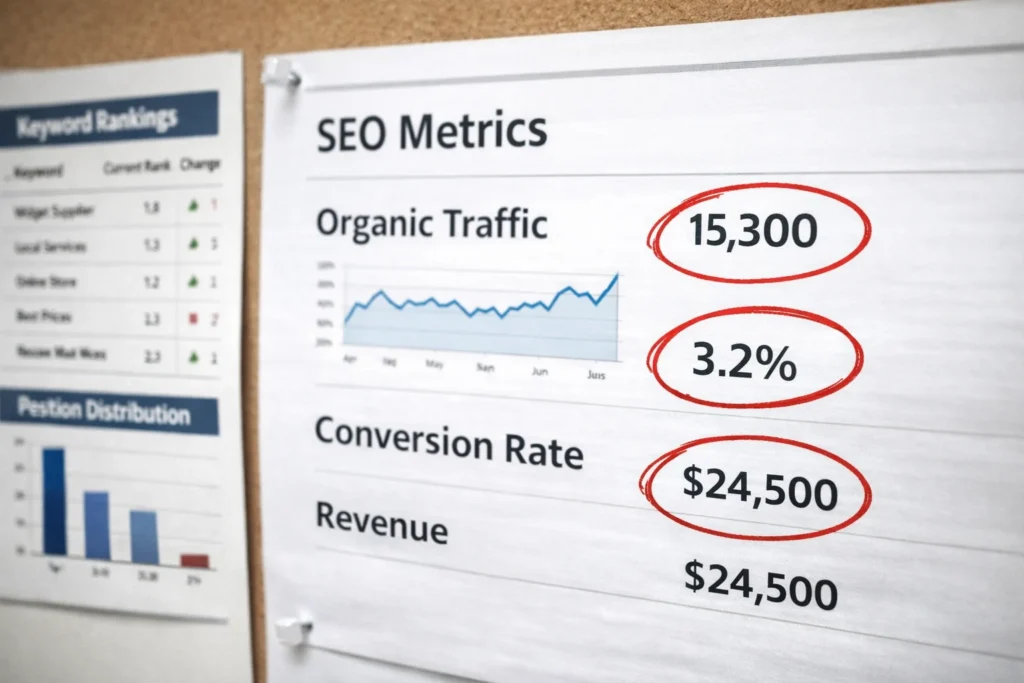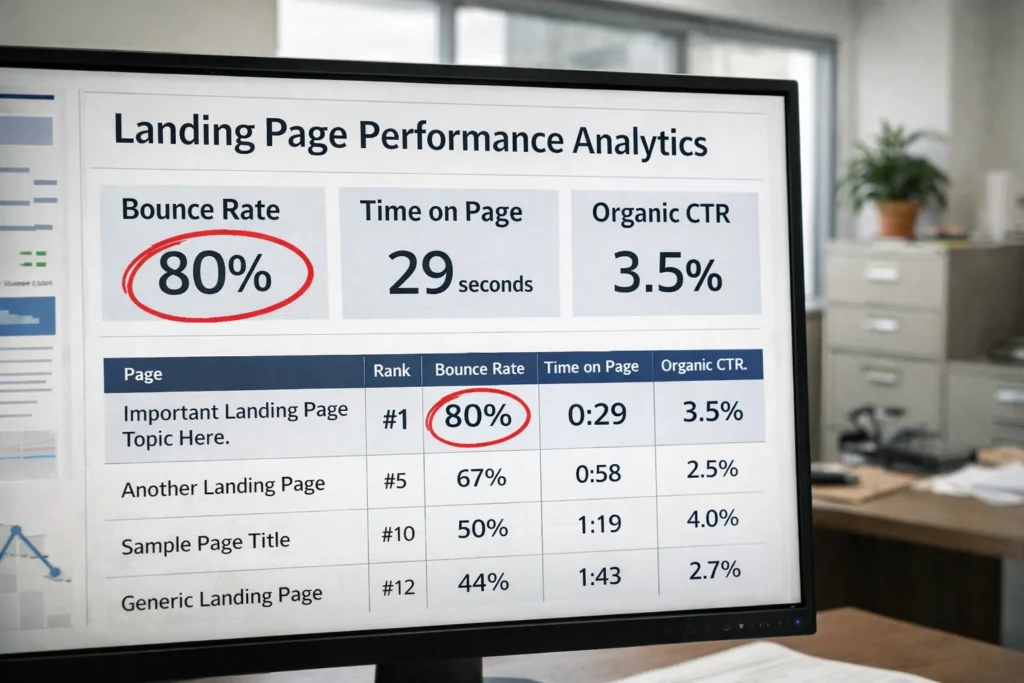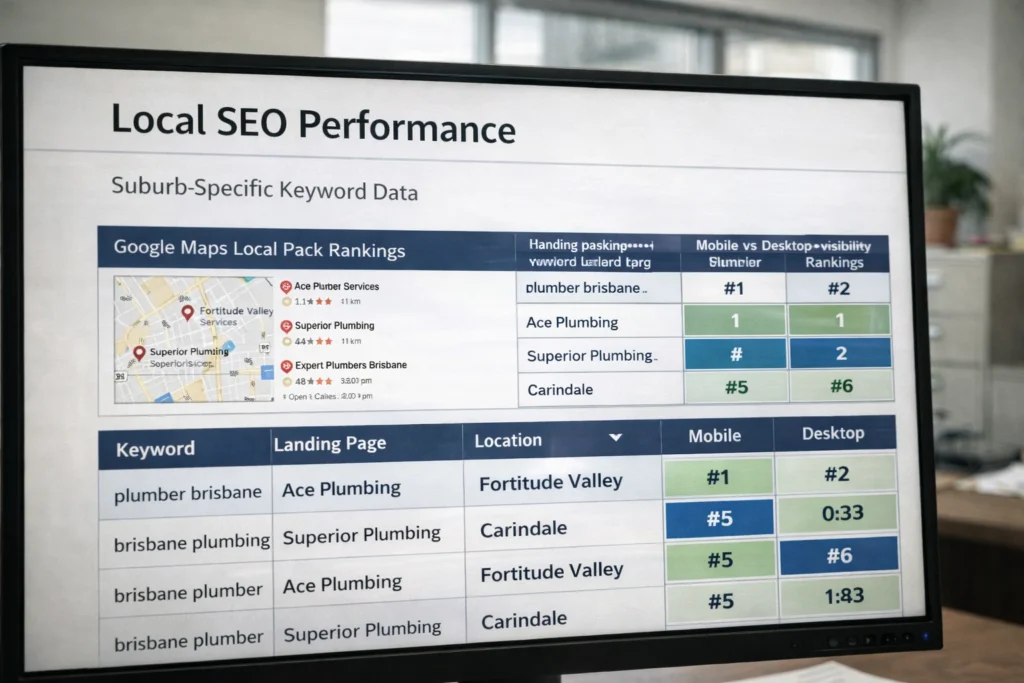
Most business owners don’t realise that small SEO errors can send customers to competitors. Poor mobile layouts, keyword stuffing, and duplicate pages can all hurt your rankings without looking obviously wrong. Your traffic can drop even when every page still looks fine to you.
The problem is that many SEO mistakes happen behind the scenes. Owners often notice them only after website traffic and enquiries start to fall. Motifo helps businesses find these issues before they cause bigger problems.
Below you will find what breaks in a typical website SEO setup, how Google reacts, and the fix for each one.
Ignoring Mobile Optimisation and Core Web Vitals Costs You Traffic

Google uses the mobile version of your site for indexing, so a layout that doesn’t work well on phones can hurt your rankings. Page loading speed is important too, and Google recommends a Largest Contentful Paint (LCP) of 2.5 seconds or less.
These technical issues also affect how visitors experience your site. Think about pinching to zoom on a lunch menu. If your website creates the same frustration, visitors may leave before they contact you (and yes, they leave without ever saying why).
You can check this yourself with a simple test. Open your three most important pages on a phone using mobile data instead of office Wi-Fi. This shows you what customers experience when they visit your site.
Technical SEO Mistakes and Crawl Errors That Block Google
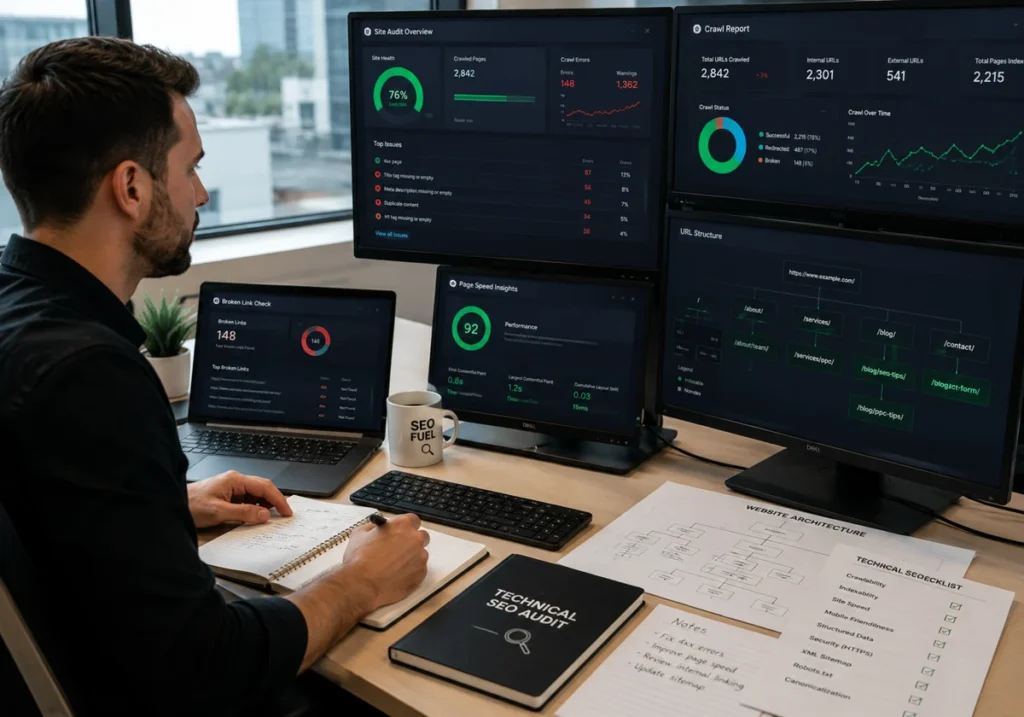
Technical SEO problems can stop Google from finding your pages before it even looks at the content. As a result, a well-written page can stay out of search results for months. Crawl errors are a common cause, and Google Search Console can help you spot many of them for free.
Once you open the report, check for pages blocked by robots.txt, orphaned pages with no internal links, and URLs missing from your sitemap. You should also look for noindex tags left behind after a website redesign, as these can stop Google from indexing a page. A poor site structure can make important pages harder to find, while structured data helps Google understand what each page is about.
These checks don’t need to take long. Review Google Search Console once a month, then fix any important pages marked as excluded. Regular checks can catch small technical problems before they keep useful pages out of search results.
Why Does Keyword Stuffing Still Hurt Your Google Rankings?
Once the technical issues are fixed, the next thing to check is the content itself. Keyword stuffing can hurt your Google rankings because search engines may see excessive keyword use as an attempt to manipulate results. The problem usually appears in a few common ways:
- Repeated Exact Phrases: Using the same keyword several times in one paragraph makes the content sound forced and repetitive. Readers notice this quickly, and it can make the page harder to read.
- Over-Optimised Anchor Text: Similarly, internal links should help readers move through your site, so using the same keyword in every link can make them feel forced. Vary the wording and make sure each link clearly describes the page it leads to.
- Hidden Keyword Blocks: Older websites sometimes hide large groups of keywords in footers or other parts of the page. Google can treat this as spam, which may lead to manual action against the site.
These problems often happen when content is written mainly for search engines. The same issue can occur when you target keywords that don’t match what your customers actually search for. Use your main keyword naturally in the title and early in the content, then focus on writing useful information for the reader.
Broken Links and Slow Pages: The SEO Problems Hiding in Plain Sight

Fixing broken links and slow pages can improve your SEO without adding new content. Both issues affect how Google crawls your site, and they can also frustrate visitors who expect pages to load quickly and links to work.
Page speed is a good place to start because slow loading can drive visitors away before they see your content. Google found that 53% of mobile visits are abandoned when a page takes longer than three seconds to load. Large images often contribute to slow loading, so compress them first. Then add useful alt text to help search engines understand what each image shows.
Once your pages are loading properly, check the links that connect them. Broken links send visitors and search engines to pages that no longer exist, interrupting their journey through your site. Anyone who has landed on an unexpected 404 page knows how quickly that becomes frustrating.
Free SEO tools crawl a small site in minutes and list every broken URL in one report. One Sunday morning with a coffee clears the backlog and protects your organic traffic.
Website SEO Wins by Matching Search Intent, Not Guessing at Keywords
Good keyword research tells you what people type. Intent tells you what they expect after the click, and thin content fails that test every time. So does low-quality content padded out to hit a word count.
On-page SEO decides what a page is about, while off-page SEO decides how much Google trusts it. Three areas settle whether your pages meet expectations.
Why Do Local SEO Efforts Fail for Small Businesses?
Local SEO often starts with accurate business information. If your business name, address, and phone number differ across online directories, Google may have trouble confirming that the listings belong to the same business. Keeping these details consistent gives Google clearer information to work with.
Your online presence also depends on customer reviews. Many business owners post on social media regularly but never ask happy customers to leave a review (which means they miss an easy way to build trust).
A simple request after a positive experience can encourage more customers to share their feedback. Your website and Google Business Profile should support these local signals too. So update your Google Business Profile each month and include your suburb in relevant page titles. These small updates make your location clearer to both Google and local customers.
Duplicate Content Confusing Search Engines
Duplicate content can weaken your SEO when several pages cover almost the same topic. Instead of allowing one page to build stronger signals, similar pages can end up competing for the same searches. This can also happen with keyword cannibalisation when multiple pages target the same keyword.
These duplicate pages often appear without anyone intending to create them. Tag archives, printer-friendly URLs, and staging sites can create extra versions of the same content, which gives Google more pages to crawl and index.
Once you find these duplicates, the first step is to decide which version should appear in search results. From there, use canonical tags to point Google to the preferred page, then merge or redirect unnecessary versions (one strong page beats three weak ones).
This way, one strong page serves both Google and your visitors better.
Title Tags and Meta Descriptions: Search Intent Alignment
Title tags and meta descriptions don’t improve rankings on their own, but they can influence whether someone clicks your result or chooses another one. That makes the wording you use in search results worth getting right.
Start by writing a clear meta description that explains what the searcher will find on the page. Keep it around 150 characters and focus on the outcome they want instead of filling the space with keywords.
When the description sounds useful and natural, it can attract more clicks even if the page keeps the same ranking.
Simple SEO Tips to Help Customers Find You
Small errors cost more customers than any missing feature on your site. Each one of them has a fix you can start this week.
Pick the problems above that apply to you, then work through them in order of damage. While you’re making these changes, update any outdated content too. A page that hasn’t been updated since 2019 can make your business look inactive. Regular improvements are often easier to manage than a full website rebuild that keeps getting delayed.
Motifo pairs website design with SEO strategy and digital marketing for small businesses across Australia. Contact the team to book a site audit and win back the customers you have been missing.