
You’ve probably heard people talk about SEO goals like they’re the secret sauce for online success. That’s quite true, but many businesses jump into SEO campaigns without actually defining what they want to achieve. SEO goals are specific, measurable targets that guide your SEO strategy and help search engines work in your favour.
So here’s the thing. Are you really aware of what counts as a proper SEO goal and how to explain it to an agency? If not, don’t worry. We’re here today to discuss what SEO goals are, which ones suit your business objectives, and how to communicate them clearly. We’ll also cover link building, local SEO, organic traffic, and whether paid search fits your plan.
Unless you want to waste months (and money) on vague directions that lead nowhere, stay with us until the end. By the time you finish reading, you’ll know exactly what to tell your agency before starting.
Do Clear SEO Goals Really Set You Up for Success?

Yes, they do. Clear SEO goals give your agency a roadmap, rather than leaving them to guess what success looks like for your business. Vague SEO goals like “get more traffic” leave your agency wondering which direction to take with your SEO strategy. They won’t know if you need more organic traffic from search results, better keyword rankings, or something else entirely.
Here’s what happens when you don’t set specific SEO goals. Your SEO efforts drift from one tactic to another without any real tracking of progress. Specific SEO goals let agencies focus on what brings real results instead of wasting time elsewhere. You’ll spot problems faster when you know exactly what you’re measuring from day one, whether that’s through Google Analytics or other SEO tools.
Understanding how Google search works helps you set realistic expectations. When you combine that knowledge with clear targets, your SEO campaigns actually deliver what your business needs instead of just filling reports with numbers that don’t mean anything.
What Counts as an SEO Goal
An SEO goal is a specific, measurable outcome you want from organic search, like ranking for certain keywords or getting 50 qualified leads per month. SEO goals are measurable outcomes you want from organic search, not just traffic numbers.
They should connect directly to how your business makes money (because let’s face it, traffic that doesn’t convert just inflates your analytics dashboard). Good SEO goals include things like ranking for target keywords through keyword research or getting leads from search engines.
Let’s break down the different types of SEO goals you should know about.
Business Goals vs SEO Strategy
Business goals are big picture things like revenue growth or expanding into new markets. Your SEO strategy is the plan your agency builds to help you reach those bigger business objectives.
One business goal might need several different SEO tactics working together to succeed, which is why matching your broader business objectives to your SEO strategy matters so much.
Search Intent and Organic Search Results
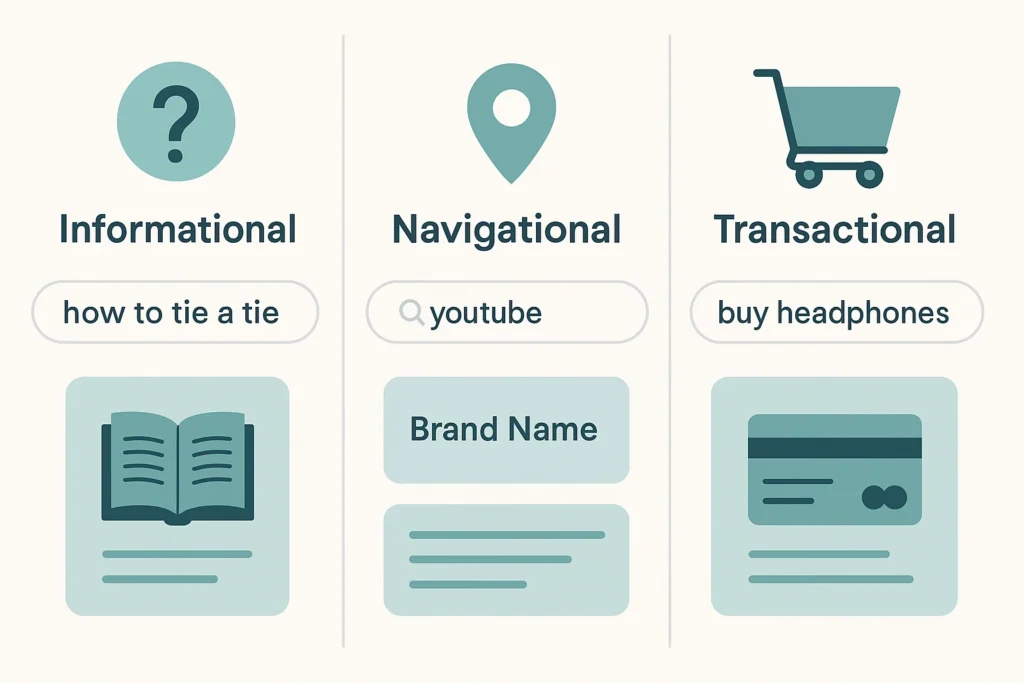
Search intent is what someone actually wants when they type a query into Google search. Google recommends that you focus on creating people-first content to be successful with Google Search, which means your content needs to match that search intent, or Google won’t show you in search results.
Understanding search intent helps you target people who are ready to buy, not just browsers looking at search queries without any real interest.
Building Brand Awareness Through Search Engines
Brand awareness means more people recognise your business name when they see it online. Showing up consistently in search engine results makes people trust you more over time.
This SEO goal works best for businesses trying to compete with bigger, established competitors who already dominate the search results for your industry.
The Most Practical SEO Goals to Start With
What are the most practical SEO goals to start with? You’ve probably seen lists of 20 SEO goals and wondered where to even start. Now, let’s get practical.
Most businesses benefit from starting with one or two focused SEO goals instead of ten. These SEO goals give agencies a clear direction and help you see tracking progress within months through tools like Google Analytics.
Pick SEO goals that directly impact your bottom line instead of chasing every shiny object that comes along. Here’s a quick breakdown of the most practical SEO goals based on what we’ve seen work for small business SEO.
| SEO Goal | What It Means | Best For |
| Increase organic traffic | Getting more visitors from search engines without paying for ads | Businesses wanting steady, long-term growth |
| Improve keyword research and rankings | Showing up on page one for target keywords your customers actually search for | Companies with specific products or services |
| Build brand awareness | Getting your business name recognised when people search your industry | New businesses competing against established brands |
| Boost domain authority through link building | Earning inbound links from other reputable websites to build trust with search engines | Businesses in competitive markets |
| Optimise for local SEO | Appearing in local search results when people search “near me” or mention your city | Brisbane cafes, tradies, retail shops, service providers |
| Improve page speed | Making your web page load faster so visitors don’t bounce before seeing your content | E-commerce sites and businesses with high bounce rates |
The key is picking one or two from this list that solve your biggest business problem right now.
Matching Your Business Goals to an SEO Strategy: Why Does It Help?
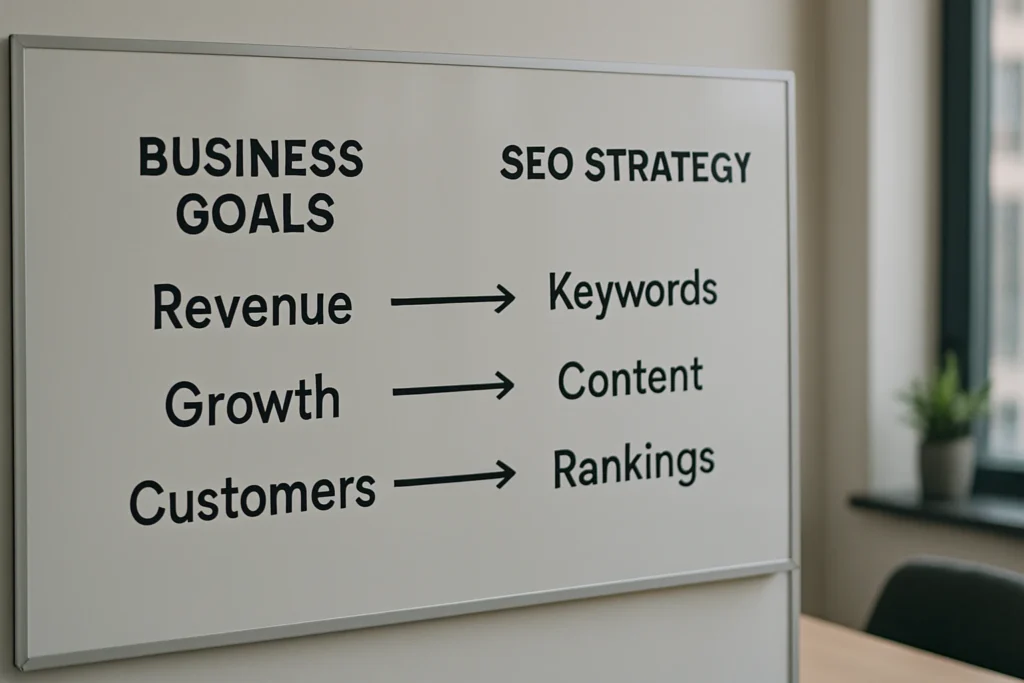
When your agency knows your business goals, it can build an SEO strategy that targets the right audience instead of chasing vanity metrics. Your business objectives should always drive your SEO goals, not the other way around.
A Brisbane cafe trying to fill tables needs local SEO targeting organic search traffic from nearby suburbs, not national keyword rankings that bring visitors from Sydney or Melbourne. Drawing from our experience with Brisbane clients, we’ve seen countless businesses waste 6-8 months on SEO strategies that didn’t match their actual business objectives.
Mismatched SEO strategies will cost you an arm and a leg on SEO efforts and search engine optimisation tactics that don’t bring paying customers. When you explain your business goals and broader business objectives upfront, your agency can focus on an effective SEO strategy that actually moves the needle for your revenue.
That might mean targeting specific organic search opportunities where your customers hang out, or building a well-executed SEO strategy around the business objectives that keep your doors open.
Link Building and Local SEO: When They Should Be Goals
Now that you know which SEO goals to prioritise, let’s talk about two tactics people often confuse with goals themselves.
Not every business needs the same SEO tactics (and agencies that tell you otherwise are just running a cookie-cutter playbook), so link building and local SEO shouldn’t always be your primary SEO goals. Link building and local SEO work brilliantly for some businesses, but waste time and SEO efforts for others.
Here’s when these tactics should actually become your SEO goals:
- Link building from other websites: Link building helps boost your domain authority, which tells search engines your site is trustworthy. If you’re in a competitive industry where your competitors already have high domain authority, then earning inbound links becomes an important SEO goal. Link building works best when you’re trying to compete for competitive keywords or improve your search engine rankings against established players.
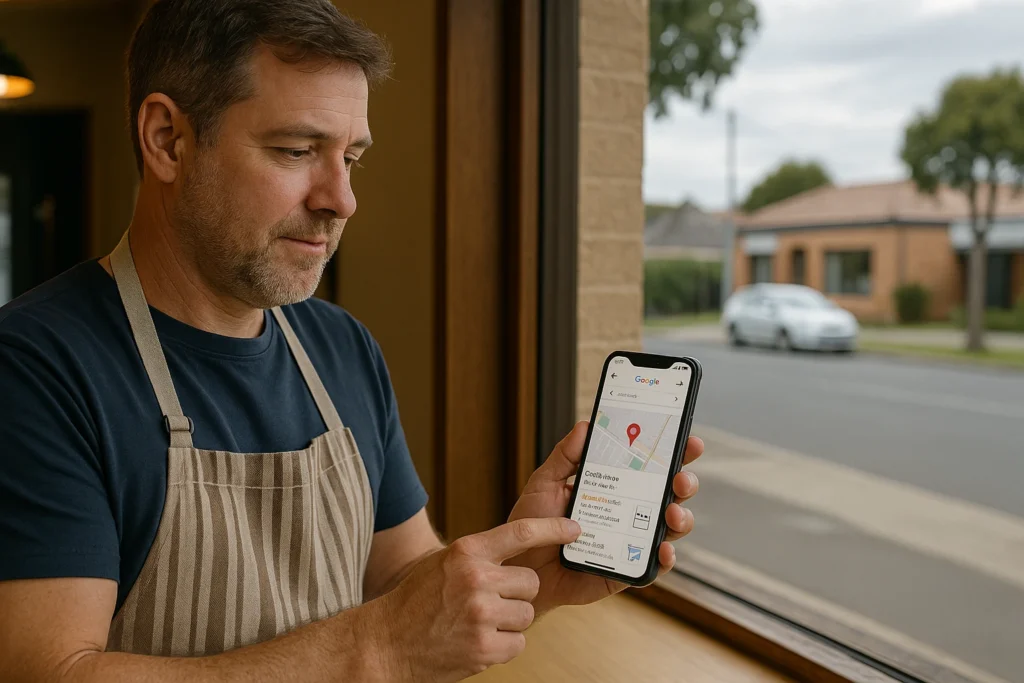
- Local SEO for your area: Local SEO makes sense if your customers need to find you in person or within a specific area. Brisbane cafes, plumbers, lawyers, and retail shops all benefit from local SEO because people search “near me” or mention suburbs in their search queries. Local SEO helps you show up in Google search results when someone in your area needs what you offer right now.
- Skip these if they don’t fit: Tell your agency whether link building or local SEO tactics fit what you’re trying to accomplish with your broader SEO strategy. Some businesses waste months on link building when they should focus on increasing organic traffic through better content or keyword research instead.
From what we’ve seen working with Queensland businesses, the smartest SEO goals are the ones that actually match how your customers find and buy from you.
More Organic Traffic or Paid Search? Telling Your Agency What You Actually Need
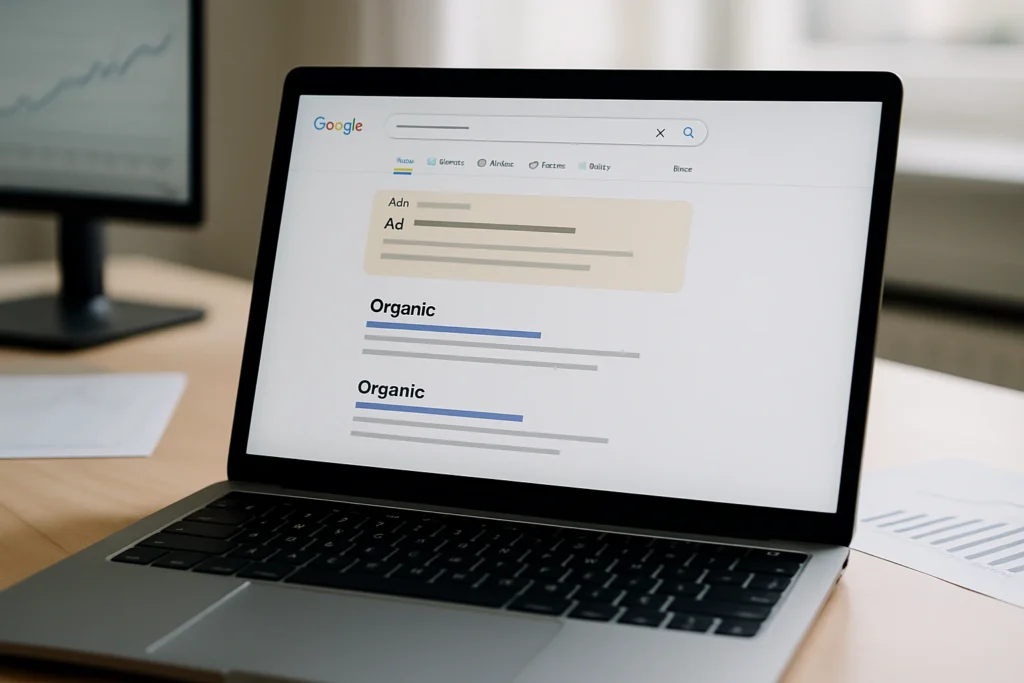
Understanding the difference between organic traffic and paid search helps you set realistic SEO goals and budget expectations from day one.
Organic traffic from organic search builds slowly but costs less over time once you start ranking well in search engine results. You’ll need to invest in SEO efforts like keyword research, content creation, and on-page optimisation, but once your web pages rank, they keep bringing more organic traffic without ongoing ad spend.
Increase organic traffic through search engine optimisation, and you’ll see organic traffic growth that lasts for years. Building organic search traffic is the smarter long-term play for most businesses trying to boost organic traffic.
But here’s the catch. Paid search gives you immediate visibility (great for promotions or new product launches), but stops working the moment you stop paying.
Paid search campaigns let you test which target keywords convert before you invest months into building organic search traffic through SEO campaigns and SEO efforts. This helps you understand which SEO goals actually work before committing full resources.
Your agency needs to know if you want quick wins through paid search or a long-term boost in organic traffic goals through a well-executed SEO strategy. The best approach often combines both, using paid search to learn what works while building your organic search presence through ongoing SEO campaigns.
Tell them your business goals upfront so they can track progress in Google Analytics and adjust your SEO objectives based on what actually brings customers and increases organic traffic.
Set Your Goals Now, See Results Faster
Taking time to explain your SEO goals upfront saves you from going back to square one months down the track with your SEO strategy. A custom SEO plan built around clear SEO goals and business objectives delivers better results than generic SEO strategies that miss the mark with search engines.
You’ll know exactly what SEO success looks like and whether your investment in search engine optimisation and SEO efforts is actually paying off. Clear SEO goals help your agency focus on what matters for your business goals instead of chasing random search engine rankings or keyword rankings that don’t convert.
Whether you need help with local SEO, organic traffic growth, or link building from other websites, having the right team matters for your SEO campaigns. Based on our work with Queensland businesses, we know that agencies that understand local markets deliver better results with search engine optimisation than generic national firms.
Brisbane local experts understand the market and can tailor SEO strategies around your business objectives and SEO goals perfectly. Don’t waste time guessing what your agency needs to hear about your SEO objectives and target keywords. Get it right from the start.