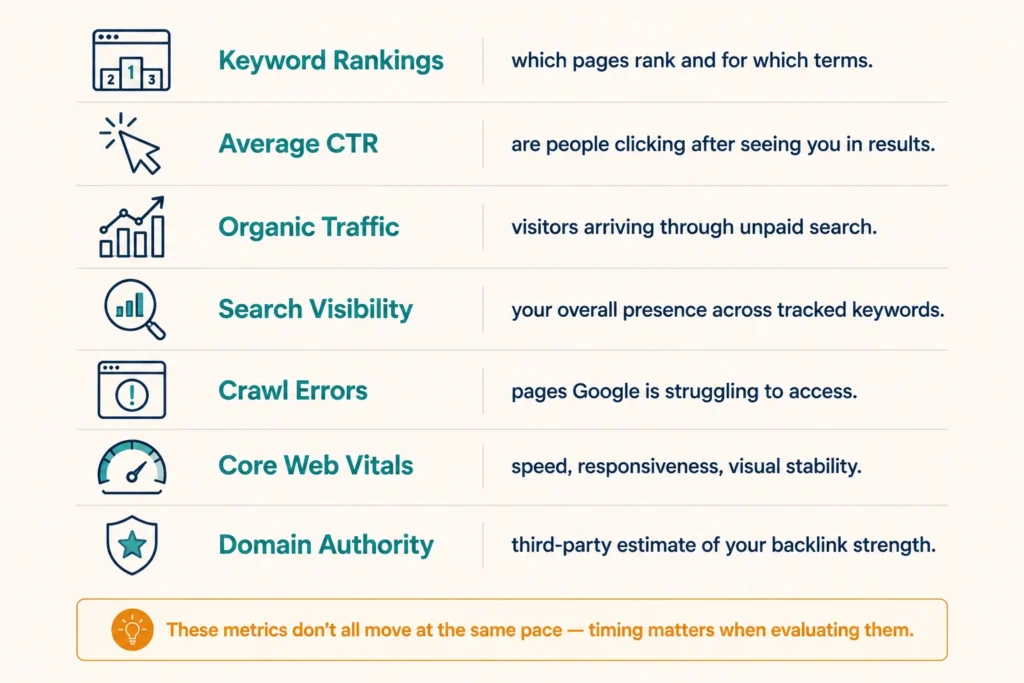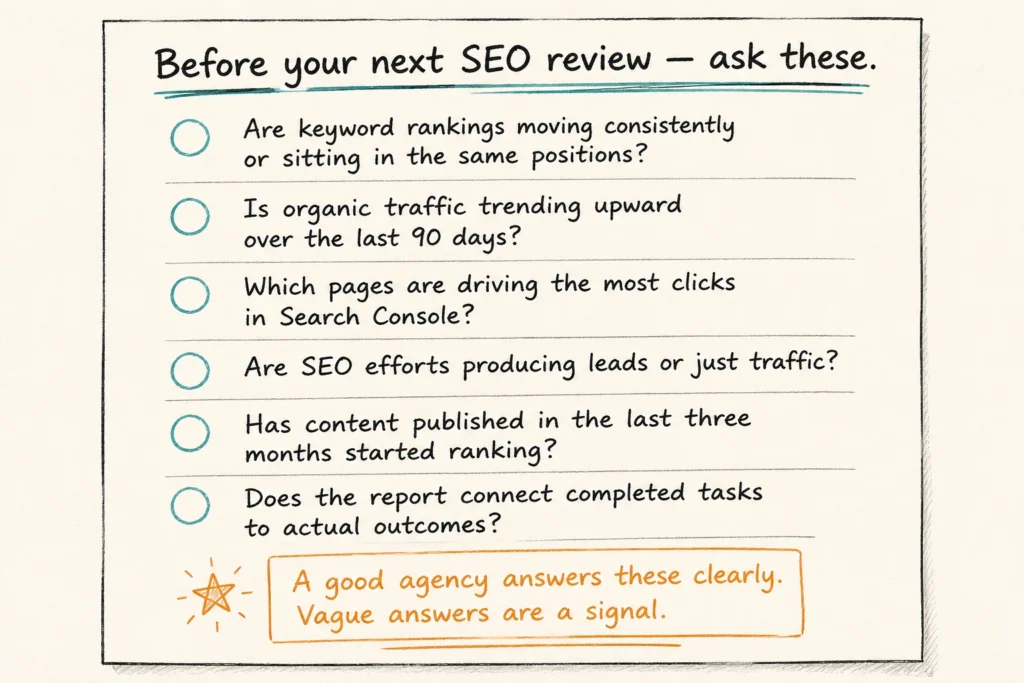
How Honest SEO Agencies Set Realistic Expectations

Research says that businesses that spend less than $500 monthly on SEO are 75% more likely to be dissatisfied with their provider. But rather than price, the true problem is the gap between what agencies promise and what they actually deliver.

In reality, honest providers don’t just throw around guarantees. They look at your industry, check out your competition, and figure out where your site stands before setting any goals.

In this article, we’ll show you:

  • How ethical SEO agencies handle expectations
  • The warning signs that should make you walk away
  • What working with transparent partners looks like.

By the end, you’ll know exactly how to spot a realistic SEO provider worth your time. So, follow along to recognise an honest SEO agency.

What Separates Honest SEO Agencies from the Rest?

Honest SEO agencies follow ethical practices, communicate openly about timelines, and put quality content first. Sounds simple enough, right?

Well unfortunately, not every agency follows through. The difference often comes down to whether they’re building SEO strategies for the long haul or just trying to close a sale.

What Separates Honest SEO Agencies from the Rest?

Here’s what sets them apart.

Sticking to Search Engine Guidelines

White hat SEO means working with search engine guidelines instead of against them. Good SEO agencies follow this white hat path and maintain Google’s guidelines because that protects your rankings long-term. The guidelines for helpful content emphasise experience, expertise, authoritativeness, and trustworthiness over keyword tricks.

When search algorithms update (and they do, constantly), sites built on solid foundations don’t suddenly vanish from page one. Agencies that follow these rules won’t promise overnight success because they know shortcuts usually backfire.

Direct Communication About SEO Timeline

They clearly state that you need to expect 4-6 months minimum before you see meaningful organic traffic. This SEO timeline depends on various factors like your industry, how competitive your keywords are, and where your site stands now.

In fact, our experiences revealed that businesses appreciate transparency about wait times, even when it’s not the answer they want to hear.

High Quality Content Over Quick Fixes

According to HubSpot’s marketing statistics, 39% of marketers focus on optimising on-page content as their primary SEO strategy.

But agencies that are focused on content quality spend time creating articles that answer your audience’s questions thoroughly. They’re not churning out dozens of thin posts packed with keyword stuffing just to hit a quota.

High-quality content that is built around topics your customers want to see will always outperform shortcuts. And search engines can spot it from a mile away.

Ethical SEO vs. Black Hat SEO

Google’s March 2024 algorithm updates removed 45% of low-quality content from search results, proving that shortcuts don’t last. Some agencies get you results that can vanish overnight, while others build rankings that hold for a long time. It all comes down to which hat SEO tactics they’re using.

Among the types of SEO, white hat SEO follows search engine guidelines. In contrast, black hat SEO deliberately breaks them to game the system faster. Now here’s the kicker: short-term achievements usually mean headaches in the long run.

For instance, ethical SEO techniques like natural link building take longer but create foundations that last for years (usually when you’ve just started celebrating the results). The SEO tactics might seem slower, but they won’t get your site penalised when algorithms update.

Take a look at this short table to understand the difference between white hat and black hat SEO:

White Hat SEOBlack Hat SEO
Follows search engine rulesBreaks Google’s guidelines
Natural link buildingBuying links from link farms
High-quality contentKeyword stuffing and thin content
Long-term rankingsTemporary boosts, then penalties
Transparent methodsHidden tactics

Transparent agencies explain their methods and show you why each approach helps your business grow. So if an agency won’t tell you exactly what they’re doing, that’s your first red flag.

Setting Fair Expectations for Your SEO Strategy

A successful SEO strategy isn’t built on one magic trick. And the best part about working with honest SEO providers is that you’ll know where your budget goes and what to expect.

Setting Fair Expectations for Your SEO Strategy

They avoid relying on a single tactic and instead spread effort across content, links, and technical improvements. That approach brings you long-term success instead of temporary wins.

Realistic expectations usually look like this.

Link Building Fits Into Long-Term Growth

A single quality backlink from a trusted industry site is far more valuable than dozens of spam links. When link building is done right, it boosts your site’s authority, even though it takes months to acquire natural backlinks properly.

In fact, buying spammy links or using link farms can get your site penalised by Google (trust us, the penalty isn’t worth the shortcut). You’ll know when honest agencies build quality links through genuine outreach, great content, and relationship building with relevant sites in your industry.

Using Google Analytics to Track Genuine Progress

This is where most agencies get it wrong. Traffic numbers tell part of the story, but conversions and engagement are much more important when measuring SEO metrics.

And good SEO companies show you which keywords drive organic search traffic that converts into customers. Their monthly reports should highlight key metrics like targeted traffic and trends over time, not just vanity numbers that look impressive but mean nothing for your bottom line.

Warning Signs: SEO Companies That Promise Too Much

If an agency guarantees page one in 30 days, should you sign up or run the other way? In most cases, that’s a clear signal to walk away. It’s because most SEO agencies know better than to make wild promises, but some still do it to close deals.

Here are some red flags to watch for:

  • Guaranteed Ranking: Guaranteed first-page keyword rankings within weeks means they’re likely using dodgy tactics. When SEO companies deliver low-quality work or black hat methods, your SEO results might look good temporarily before Google catches on.
  • Unclear Explanation: When agencies dodge your questions about their methods, the writing’s on the wall. Vague explanations about their methods suggest they’re hiding something (we’re talking word salad that would make a politician proud)
  • Cheap Packages: If the agency claims sound too good to be true, they probably are. Packages that seem suspiciously cheap usually give you poor results or damage your reputation.

Pro Tip: Ask them for case studies or client references. If they can’t show you any past results, that’s not shyness; that’s a major red flag.

Now that you know what separates ethical agencies from the rest, let’s look at how local SEO should work.

Local SEO Done Right: A Brisbane Perspective

Search engine optimisation for Brisbane businesses needs a different approach than national campaigns. Any good SEO service would understand your local market and build strategies around it.

These are some SEO strategies designed specifically for Brisbane businesses.

Reasonable Timelines for Content Marketing

Local SEO Done Right: A Brisbane Perspective

Local visibility in organic search builds gradually as you publish helpful content for your community. Usually, content creation takes time, so expect 3-4 months before new pages start attracting consistent traffic in search results.

After working with local businesses across Brisbane, we’ve noticed that content focused on neighbourhoods like New Farm or West End consistently outperforms generic pages. It’s because content marketing that addresses specific local needs and search patterns connects better with people looking for businesses in their area.

White Hat SEO Strategies Worth Your Investment

Optimising your Google Business Profile helps you appear in local map packs when people search nearby. That’s basic white hat SEO, but there’s more to it.

Technical SEO work, like improving site speed and adding internal links, makes your site easier to navigate. That’s why keyword research should focus on relevant keywords that match search intent in your area.

When you create suburb-specific content, however, it connects you with customers in your service area. And building relationships with other websites and Brisbane businesses can lead to valuable local backlinks that boost your authority.

Partner with an Agency That Values Transparency

Choosing honest SEO providers means finding partners who prioritise your long-term strategy over quick wins. They use ethical SEO practices, communicate openly about timelines, and base expectations on data instead of hype.

When you work with transparent agencies, you get regular updates and clear explanations about your online visibility. You won’t have to deal with vague promises or confusing jargon, just straightforward SEO that builds sustainable growth.

So look for an SEO partner that educates you about the process and takes your business goals to heart. The right agency will set realistic expectations from day one and deliver results you can measure.

And if you want to see how this approach works in practice, visit Motifo to learn how we help Brisbane businesses grow with clear, local-focused SEO strategies.

Posted in

How to Explain Your SEO Goals Clearly Before Starting a Campaign

You’ve probably heard people talk about SEO goals like they’re the secret sauce for online success. That’s quite true, but many businesses jump into SEO campaigns without actually defining what they want to achieve. SEO goals are specific, measurable targets that guide your SEO strategy and help search engines work in your favour.

So here’s the thing. Are you really aware of what counts as a proper SEO goal and how to explain it to an agency? If not, don’t worry. We’re here today to discuss what SEO goals are, which ones suit your business objectives, and how to communicate them clearly. We’ll also cover link building, local SEO, organic traffic, and whether paid search fits your plan.

Unless you want to waste months (and money) on vague directions that lead nowhere, stay with us until the end. By the time you finish reading, you’ll know exactly what to tell your agency before starting.

Do Clear SEO Goals Really Set You Up for Success?

Do Clear SEO Goals Really Set You Up for Success?

Yes, they do. Clear SEO goals give your agency a roadmap, rather than leaving them to guess what success looks like for your business. Vague SEO goals like “get more traffic” leave your agency wondering which direction to take with your SEO strategy. They won’t know if you need more organic traffic from search results, better keyword rankings, or something else entirely.

Here’s what happens when you don’t set specific SEO goals. Your SEO efforts drift from one tactic to another without any real tracking of progress. Specific SEO goals let agencies focus on what brings real results instead of wasting time elsewhere. You’ll spot problems faster when you know exactly what you’re measuring from day one, whether that’s through Google Analytics or other SEO tools.

Understanding how Google search works helps you set realistic expectations. When you combine that knowledge with clear targets, your SEO campaigns actually deliver what your business needs instead of just filling reports with numbers that don’t mean anything.

What Counts as an SEO Goal

An SEO goal is a specific, measurable outcome you want from organic search, like ranking for certain keywords or getting 50 qualified leads per month. SEO goals are measurable outcomes you want from organic search, not just traffic numbers.

They should connect directly to how your business makes money (because let’s face it, traffic that doesn’t convert just inflates your analytics dashboard). Good SEO goals include things like ranking for target keywords through keyword research or getting leads from search engines.

Let’s break down the different types of SEO goals you should know about.

Business Goals vs SEO Strategy

Business goals are big picture things like revenue growth or expanding into new markets. Your SEO strategy is the plan your agency builds to help you reach those bigger business objectives.

One business goal might need several different SEO tactics working together to succeed, which is why matching your broader business objectives to your SEO strategy matters so much.

Search Intent and Organic Search Results

Search Intent and Organic Search Results

Search intent is what someone actually wants when they type a query into Google search. Google recommends that you focus on creating people-first content to be successful with Google Search, which means your content needs to match that search intent, or Google won’t show you in search results.

Understanding search intent helps you target people who are ready to buy, not just browsers looking at search queries without any real interest.

Building Brand Awareness Through Search Engines

Brand awareness means more people recognise your business name when they see it online. Showing up consistently in search engine results makes people trust you more over time.

This SEO goal works best for businesses trying to compete with bigger, established competitors who already dominate the search results for your industry.

The Most Practical SEO Goals to Start With

What are the most practical SEO goals to start with? You’ve probably seen lists of 20 SEO goals and wondered where to even start. Now, let’s get practical.

Most businesses benefit from starting with one or two focused SEO goals instead of ten. These SEO goals give agencies a clear direction and help you see tracking progress within months through tools like Google Analytics.

Pick SEO goals that directly impact your bottom line instead of chasing every shiny object that comes along. Here’s a quick breakdown of the most practical SEO goals based on what we’ve seen work for small business SEO.

 SEO GoalWhat It Means Best For 
Increase organic traffic Getting more visitors from search engines without paying for ads Businesses wanting steady, long-term growth 
Improve keyword research and rankings Showing up on page one for target keywords your customers actually search forCompanies with specific products or services 
Build brand awareness Getting your business name recognised when people search your industry New businesses competing against established brands 
Boost domain authority through link building Earning inbound links from other reputable websites to build trust with search engines Businesses in competitive markets 
Optimise for local SEO Appearing in local search results when people search “near me” or mention your city Brisbane cafes, tradies, retail shops, service providers 
Improve page speed Making your web page load faster so visitors don’t bounce before seeing your content E-commerce sites and businesses with high bounce rates 

The key is picking one or two from this list that solve your biggest business problem right now.

Matching Your Business Goals to an SEO Strategy: Why Does It Help?

Matching Your Business Goals to an SEO Strategy: Why Does It Help?

When your agency knows your business goals, it can build an SEO strategy that targets the right audience instead of chasing vanity metrics. Your business objectives should always drive your SEO goals, not the other way around.

A Brisbane cafe trying to fill tables needs local SEO targeting organic search traffic from nearby suburbs, not national keyword rankings that bring visitors from Sydney or Melbourne. Drawing from our experience with Brisbane clients, we’ve seen countless businesses waste 6-8 months on SEO strategies that didn’t match their actual business objectives.

Mismatched SEO strategies will cost you an arm and a leg on SEO efforts and search engine optimisation tactics that don’t bring paying customers. When you explain your business goals and broader business objectives upfront, your agency can focus on an effective SEO strategy that actually moves the needle for your revenue.

That might mean targeting specific organic search opportunities where your customers hang out, or building a well-executed SEO strategy around the business objectives that keep your doors open.

Link Building and Local SEO: When They Should Be Goals

Link Building and Local SEO: When They Should Be Goals

Now that you know which SEO goals to prioritise, let’s talk about two tactics people often confuse with goals themselves.

Not every business needs the same SEO tactics (and agencies that tell you otherwise are just running a cookie-cutter playbook), so link building and local SEO shouldn’t always be your primary SEO goals. Link building and local SEO work brilliantly for some businesses, but waste time and SEO efforts for others.

Here’s when these tactics should actually become your SEO goals:

  • Link building from other websites: Link building helps boost your domain authority, which tells search engines your site is trustworthy. If you’re in a competitive industry where your competitors already have high domain authority, then earning inbound links becomes an important SEO goal. Link building works best when you’re trying to compete for competitive keywords or improve your search engine rankings against established players.
  • Local SEO for your area: Local SEO makes sense if your customers need to find you in person or within a specific area. Brisbane cafes, plumbers, lawyers, and retail shops all benefit from local SEO because people search “near me” or mention suburbs in their search queries. Local SEO helps you show up in Google search results when someone in your area needs what you offer right now.
  • Skip these if they don’t fit: Tell your agency whether link building or local SEO tactics fit what you’re trying to accomplish with your broader SEO strategy. Some businesses waste months on link building when they should focus on increasing organic traffic through better content or keyword research instead.

From what we’ve seen working with Queensland businesses, the smartest SEO goals are the ones that actually match how your customers find and buy from you.

More Organic Traffic or Paid Search? Telling Your Agency What You Actually Need

More Organic Traffic or Paid Search? Telling Your Agency What You Actually Need

Understanding the difference between organic traffic and paid search helps you set realistic SEO goals and budget expectations from day one.

Organic traffic from organic search builds slowly but costs less over time once you start ranking well in search engine results. You’ll need to invest in SEO efforts like keyword research, content creation, and on-page optimisation, but once your web pages rank, they keep bringing more organic traffic without ongoing ad spend.

Increase organic traffic through search engine optimisation, and you’ll see organic traffic growth that lasts for years. Building organic search traffic is the smarter long-term play for most businesses trying to boost organic traffic.

But here’s the catch. Paid search gives you immediate visibility (great for promotions or new product launches), but stops working the moment you stop paying.

Paid search campaigns let you test which target keywords convert before you invest months into building organic search traffic through SEO campaigns and SEO efforts. This helps you understand which SEO goals actually work before committing full resources.

Your agency needs to know if you want quick wins through paid search or a long-term boost in organic traffic goals through a well-executed SEO strategy. The best approach often combines both, using paid search to learn what works while building your organic search presence through ongoing SEO campaigns.

Tell them your business goals upfront so they can track progress in Google Analytics and adjust your SEO objectives based on what actually brings customers and increases organic traffic.

Set Your Goals Now, See Results Faster

Taking time to explain your SEO goals upfront saves you from going back to square one months down the track with your SEO strategy. A custom SEO plan built around clear SEO goals and business objectives delivers better results than generic SEO strategies that miss the mark with search engines.

You’ll know exactly what SEO success looks like and whether your investment in search engine optimisation and SEO efforts is actually paying off. Clear SEO goals help your agency focus on what matters for your business goals instead of chasing random search engine rankings or keyword rankings that don’t convert.

Whether you need help with local SEO, organic traffic growth, or link building from other websites, having the right team matters for your SEO campaigns. Based on our work with Queensland businesses, we know that agencies that understand local markets deliver better results with search engine optimisation than generic national firms.

Brisbane local experts understand the market and can tailor SEO strategies around your business objectives and SEO goals perfectly. Don’t waste time guessing what your agency needs to hear about your SEO objectives and target keywords. Get it right from the start.

Posted in

A Simple Guide to Understanding What You’re Paying For in SEO

Welcome to our guide on SEO pricing.

If you’ve ever looked at an SEO proposal and wondered what all those line items actually mean, you’re not alone. Today, we’re going to break down SEO costs so you understand exactly where your money goes when you invest in SEO services.

If you’re confused about the cost of SEO and what different agencies actually charge for, you’re in the right place. After reading this article, you’ll learn which tasks get prioritised, how SEO pricing works, and what separates fair quotes from inflated ones.

We’re Motifo, a Brisbane SEO agency that’s helped local businesses navigate their SEO costs for years. Our insights come from real client experiences, so you’ll get practical answers, not sales pitches. Let’s start with the three main areas where your SEO budget actually goes.

What Actually Goes Into SEO Pricing?

SEO pricing covers three main areas: SEO strategy work, content creation, and technical improvements that help your site rank better in search results. Most SEO agencies break their work into these categories because each one needs different skills and time.

You might be wondering why strategy work costs so much when nothing’s published yet. The reason is simple. Without proper planning, you’re just guessing what’ll work.

The Strategy Work Behind Your Campaign

Before any real work happens, your SEO agency needs to understand where you stand. An SEO audit reviews your site structure, looks for content gaps, and checks what your competitors are doing in search results.

Keyword research identifies what your customers actually search for in organic search. This isn’t guesswork. Your agency digs through search data to find terms that bring traffic and customers, not just random visitors. The reason this helps is that ranking for the wrong keywords wastes your entire SEO campaign budget.

The Strategy Work Behind Your Campaign

Through our work with Brisbane clients, we’ve found that monthly dashboards stop the guessing game. Once you’ve got baseline data, you’ll see exactly what’s changing month to month in your rankings and traffic.

Content Marketing That Ranks

Blog posts get optimised for search engines while keeping readers engaged naturally. You’ve probably read articles that sound like they were written for robots instead of humans. Good content marketing avoids that trap.

Another thing is, content creation refreshes old pages to match current search intent. When someone searches for “best cafes in Fortitude Valley,” they want recent recommendations, not a blog post from 2019. So, updating content keeps your site relevant and tells search engines you’re paying attention.

Meta descriptions and title tags get crafted for better click-through rates. These are the snippets people see in Google before they click your link. The benefit here is that even if you rank well, poor titles mean people skip your site entirely. Targeting the right target keywords in these spots makes a real difference.

Technical SEO Fixes Search Engines Need

Site speed improvements help pages load faster for mobile users. If your site takes more than five seconds to load, half your visitors leave before they see anything. Technical SEO tackles these performance issues head-on.

XML sitemaps and robots.txt files guide search engine crawlers through your site properly. Think of these as a roadmap that tells Google which pages to index and which ones to skip. Without them, search engines waste time crawling useless pages like your login screen or admin area.

Broken links get fixed so visitors and bots can navigate without hitting dead ends. One or two broken links won’t kill your rankings, but dozens of them signal neglect. Search engines notice that, and so do your potential customers.

Local SEO vs National SEO: Where Your Budget Differs

Ever wondered why some Brisbane cafes pay $1,200 monthly while national retailers spend $8,000? The difference comes down to reach.

Local SEO targets Brisbane suburbs, your Google Business Profile, and nearby customers who search for services “near me.” The work focuses on a smaller geographic area, which means less content to create and fewer competitors to outrank. Let’s be honest here, local campaigns are cheaper because you’re not fighting every business in Australia.

National SEO is a different game entirely. National campaigns cost more because you’re playing in the big leagues against companies with bigger budgets and established authority. You’ll need more content, stronger link building, and ongoing work to build authority across the entire country (Brisbane’s competitive, but not Sydney-level cutthroat).

The cost of SEO scales directly with how far you want your business to reach. A plumber in Paddington doesn’t need to rank nationally. But an online retailer selling across Australia? That’s where SEO pricing jumps significantly because the competition and workload multiply.

Are SEO Pricing Models Really That Different?

Are SEO Pricing Models Really That Different?

Yes, but the core work stays similar across most pricing models. The main difference is how you pay and when you pay, not what gets done. To know more about which model fits your situation, check out these three common options and break them down.

  1. Monthly retainers: These cover ongoing work like content creation and link building. Most SEO agencies prefer this pricing model because SEO isn’t a one-time job. You’re paying for continuous improvements, fresh content, and adapting to search engine algorithm updates. The ball’s in your court when choosing a pricing model, but retainers typically range from $1,500 to $5,000 monthly, depending on what’s included.
  2. Project-based pricing: This suits one-off SEO projects like website audits or migrations with clear endpoints. If you’re moving your site to a new platform or need a comprehensive SEO audit, this makes sense. You pay a fixed amount, the work gets done, and you’re finished. However, SEO rarely works as a set-it-and-forget-it task, so most businesses eventually move to ongoing SEO services.
  3. Hourly rates: These work for consultations but create unpredictable costs for clients (and yes, hourly billing gets messy fast). You might budget for five hours of SEO work only to find you need fifteen. This chosen SEO pricing model works if you need quick advice from an SEO specialist, but it’s not practical for running full SEO campaigns.

Pro Tip: Most businesses start with project-based work to fix immediate issues, then switch to monthly retainers once they see results. That transition usually happens within three to six months.

DIY SEO or Hiring an SEO Agency?

According to our observation, about 60% of small businesses try DIY SEO before hiring help. But the right approach depends on your budget, time, and how fast you need results. Let’s get more specific about when each option actually makes sense.

When DIY Makes Sense for Small Budgets

DIY SEO works for startups and small blogs with tight budgets and plenty of time. If you’re just launching and can’t afford monthly SEO services yet, handling basic SEO yourself keeps costs down while you grow.

Basic keyword research and Google Business Profile setup cost only your time. Free tools like Google Search Console show where you rank today and what search queries bring visitors to your site. At the end of the day, DIY works until your time runs out.

What’s more, small blogs benefit from self-written content without agency overhead costs. When you know your industry inside out, creating content comes naturally. You understand what questions your customers ask because you answer them daily.

And that’s where things get interesting. DIY works until it doesn’t.

What SEO Companies Actually Handle

SEO agencies handle the technical work and ongoing strategy that most business owners can’t manage alone. The thing is, SEO goes way beyond writing blog posts and picking keywords.

Technical SEO audits identify issues you wouldn’t spot without specialist tools. Things like crawl errors, duplicate content, and site speed problems need proper software to diagnose. Most business owners don’t have access to enterprise SEO tools that cost hundreds monthly.

Here’s where it gets tricky. Link building requires industry contacts and outreach that most businesses lack. Getting quality backlinks means reaching out to other websites, building relationships, and creating content worth linking to (trust us, we’ve seen the DIY link-building disasters). An SEO agency brings established connections and knows which strategies actually work.

Above all, ongoing algorithm updates mean SEO agencies adapt strategies faster than solo efforts. Google changes its algorithm thousands of times yearly. SEO professionals track these updates, test what works, and adjust campaigns before your rankings drop.

Tracking Your Current SEO Performance

Tracking shows you exactly what’s working and what’s draining your SEO budget with zero returns. Without measurement, you’re just guessing whether your SEO investment pays off.

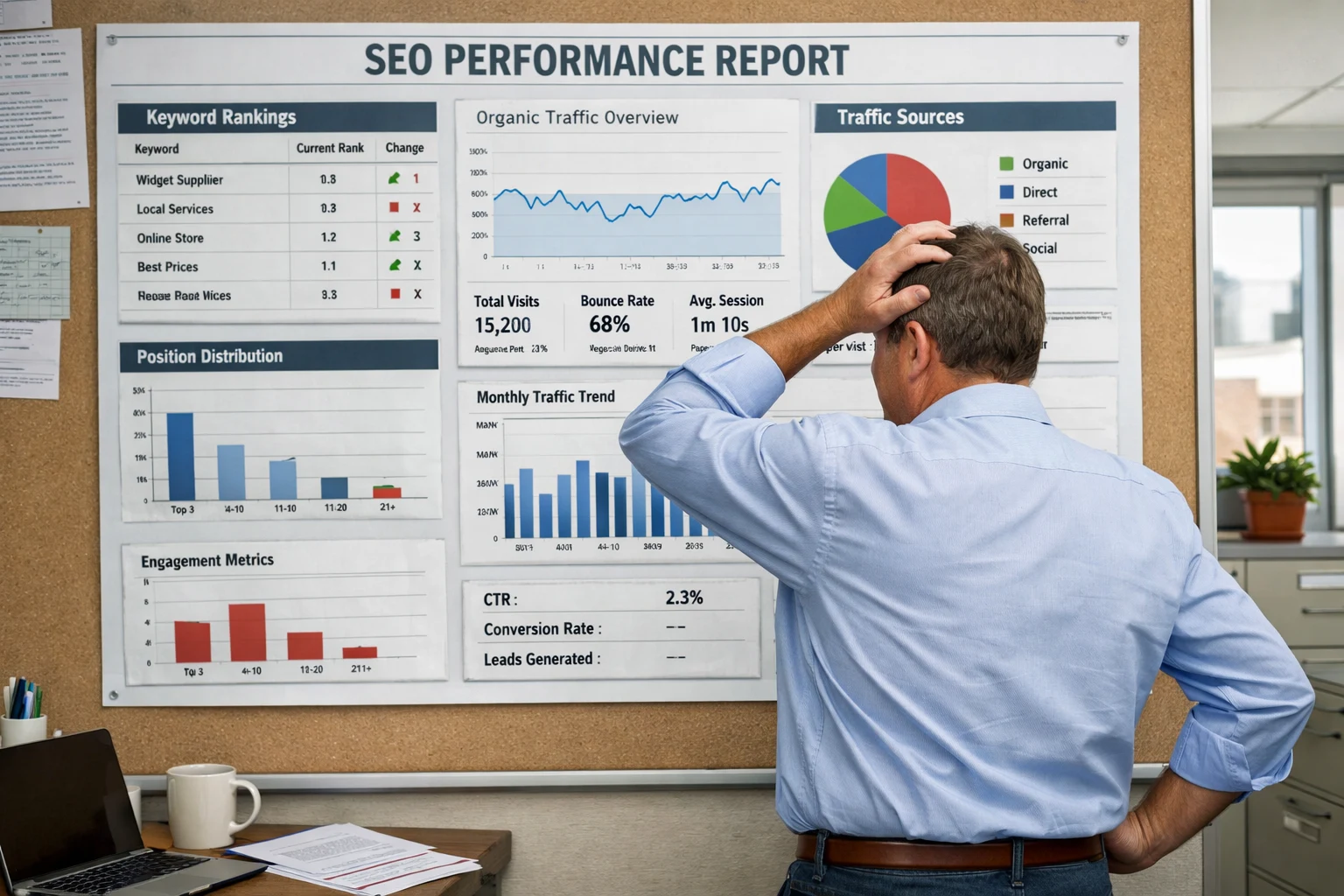
Monthly dashboards show keyword rankings, organic traffic, and conversion data clearly. Instead of digging through Google Analytics yourself, an SEO provider compiles everything into reports you can actually understand. You’ll see which pages perform well and which ones need work.

Now, baseline measurements prove what’s working before you spend more on your SEO budget. If you can’t measure your current SEO performance, you can’t tell if improvements are happening. This data becomes valuable when deciding whether to scale up or try different tactics.

Fortunately, performance gaps reveal where your SEO strategy delivers the highest returns quickly. Maybe your blog posts rank well, but your service pages don’t. Or perhaps you’re getting traffic but no conversions. Once these patterns become clear, you know exactly where to focus next.
SEO in Australia: What Brisbane Businesses Pay

Most Brisbane businesses invest between $1,500 and $5,000 per month on SEO services, depending on their industry and goals. That’s the realistic range you’ll see when shopping around for a reputable SEO agency in our area.

Now, how much SEO costs varies wildly based on competition. Competitive industries like law or real estate need larger budgets than trades because you’re fighting against firms with established authority and bigger marketing budgets. A lawyer in the CBD competing for “personal injury lawyer Brisbane” faces tougher competition than a sparky in Acacia Ridge targeting “electrician near me.”

SEO in Australia: What Brisbane Businesses Pay

The thing is, SEO in Australia focuses heavily on local suburbs and Google Australia search results specifically. Every agency here and there claims they’re different, but the ones with a proven track record show you actual results from Brisbane clients. The cost of SEO should match the level of service and expertise you’re getting.

What’s more, SEO agencies in Australia charge differently based on what’s included in their packages. Some focus purely on technical SEO fixes, while others bundle content creation, link building, and ongoing SEO services together. When you’re comparing quotes, make sure you’re looking at the same scope of work, not just the price tag.

Getting SEO Pricing Clarity From Day One

Now that you know what goes into SEO costs, here’s how to get clear answers before signing anything. So what’s the real deal with proposals? Well, they should list actual tasks, not vague promises about “boosting your rankings.”

What to Ask

Why It Matters

What specific SEO services are included?

Avoids surprise charges for “extras” later

How often do you send reports?

Shows if the SEO provider stays transparent

What does success look like for my SEO plan?

Ensures you’re both measuring the same goals

Can I see examples of your SEO reporting?

Reveals if the data is clear or confusing

Clear SEO proposals list exactly what tasks happen each month without hiding details in fine print. You should see line items for keyword research, content creation, technical fixes, and link building with hours or deliverables attached to each.

Here’s another point to consider. Agencies should explain why certain SEO services cost more than others. Technical SEO work requires specialist skills and tools, which cost more than basic content updates. If an SEO agency can’t break down their pricing clearly, that’s a red flag.

Drawing from our experience, the agencies worth trusting send reports without you chasing them down. You’ll get monthly updates showing keyword rankings, organic traffic changes, and what work happened that month. Ask about contract terms, how often reporting happens, and how they measure whether your SEO investment is working.

Your Next Move With SEO Services

Understanding SEO pricing helps you spot which agencies offer real value versus those padding their quotes with fluff. When you know what goes into the cost of SEO, you’re in a better position to negotiate and ask the right questions.

Here’s what to do next when comparing SEO services:

  • Request detailed SEO proposals that break down every task and deliverable
  • Ask potential agencies about your current SEO performance and what they’d improve first
  • Compare what’s included in each quote, not just the monthly price
  • Check if ongoing SEO services cover both content and technical work

At the end of the day, the right SEO agency will walk you through their SEO strategy without overwhelming you with jargon. They’ll explain how your SEO budget gets spent, show you realistic timelines, and keep you updated without you having to chase them for answers. If you’d like to see how we structure our pricing, explore our packages to find what fits your goals.

Posted in

Client Case Stories: When Under-Promising Worked Best

Ever notice how the agencies that promise you the moon end up delivering a handful of dirt? You’re not the only one.

Plenty of businesses love the idea of landing new clients but dread the fallout when they can’t deliver on their promises.

There’s a better way. Setting realistic expectations from day one lets you build trust and create success stories that actually convert. This approach will have you exceeding client expectations every time (and honestly, it makes the work more enjoyable, too).

In this guide, we’ll show you real examples where honesty won, teach you transparent goal-setting, and help you write case studies that showcase your under-promise approach. You’ll build stronger client relationships while creating testimonials that make prospects choose you over the competition.

Stay with us to learn how it all works.

What Are Client Success Stories?

Client success stories are documented examples showing how you helped customers solve specific problems and achieve measurable results. These stories carry real weight because case studies and testimonials go beyond marketing fluff.

In fact, Research from the University of South Florida shows that consumers overwhelmingly trust what they read in online reviews, even when they’re warned that some reviews might be fake.

Let’s look at why you should showcase client success stories to build credibility.

Case studies that build trust with potential customers

A case study walks prospects through another client’s situation, your solution, and the results. Therefore, stories prove expertise better than marketing claims because prospects believe real outcomes over promises. To amplify this effect, add direct client quotes that build customer trust and SEO trust faster than corporate messaging alone.

Documented proof that improves search engine optimisation results

Client stories provide reliable information that Google rewards with higher rankings. As you publish case studies, you’re building pages full of relevant keywords your audience is searching for. And the more detailed your case studies are, with data and quotes, the more they tell Google your site has real substance. That’s why service pages with testimonials perform better in search results.

Stories showing measurable results and conversion rates

Measurable numbers make your success stories more compelling to website visitors. When you say “we increased organic traffic by 127%,” that hits harder than vague claims like “we grew their traffic.” This is because specific numbers like “$50,000 in monthly revenue within four months” show prospects exactly what’s possible. That’s how data removes doubt.

Why Under-Promising Beats Over-Promising

Under-promising beats over-promising because it builds trust through exceeded expectations rather than disappointment. The mechanism is simple: when you set realistic goals and surpass them, clients become advocates instead of leaving bad reviews.

However, most businesses mistakenly think bold promises equal more clients, yet over-promising lets people down, and unhappy clients tell everyone.

Now, check out these three factors that make this strategy unbeatable.

Setting realistic expectations builds trust with clients

Honest timelines prevent disappointment and strengthen relationships later in projects. For example, when you tell a client their website redesign will take eight weeks, not six, you’re giving yourself room to deliver early.

The same goes for setting clear criteria from the start. When clients understand what success looks like upfront, there’s no confusion down the line. This practice is especially important because under-promising protects your reputation when challenges arise during work.

Honesty positions you as a trusted advisor

Transparency about potential weaknesses earns credibility with your audience. If you tell a prospect “SEO takes six months to show results,” you separate yourself from agencies making wild claims.

From there, your upfront approach naturally builds stronger long-term relationships because clients know you’re grounded in research, not hype. In the same way, site owners value it when you identify realistic outcomes based on research.

Avoiding disappointment protects your conversion rate

Over-promising destroys trust when clients feel misled by your messaging. For instance, a client who expected 500 new leads but got 200 will leave a bad review, even if 200 is strong for their industry.

Those failed expectations send customers toward competitors who deliver on their promises. That’s the real cost of overpromising. But when you set realistic goals, you deliver more than you promise and never need to make excuses.

Real Client Stories That Prove Under-Promising Works

Setting realistic goals protects your reputation and creates opportunities to blow past what you promised. And the real impact comes when you deliver early or exceed expectations. Because those moments become success stories that clients share everywhere.

Through our projects, we’ve seen three proven scenarios where under-promising wins with honest timelines and transparent budgets.

Honest project timelines that exceeded client expectations

The truth about SEO came from a marketing agency that promised a local law firm three months for their campaign. Unlike competitors, they avoid the “page one in 30 days” nonsense. That buffer gave them space to work without pressure.

When the site launched in ten weeks with rankings ahead of projections, which led the law firm to share a glowing testimonial that brought the agency two new clients.

Transparent budget discussions that strengthened long-term partnerships

During budget discussions, a web design team told an e-commerce business that their budget would cover phase one with limited features, not the full site. While most agencies would hide that pricing reality, this team laid everything out up front.

Those clear pricing conversations helped the business make proper spending decisions. And that honesty built a five-year partnership from one project

Realistic service scope that led to referrals

One content marketing agency clarified to a B2B company that their retainer covered blog posts and email campaigns without the full omnichannel strategy they’d hoped for.

Realistic service scope that led to referrals

Yet sensing the client’s disappointment, the agency recommended starting small and scaling what worked. That focused execution produced a 40% increase in qualified leads within six months, and this led to three referrals from their professional network.

Build Trust Through Honest Client Stories

Client success stories are powerful marketing tools, but most businesses get them wrong by overpromising to win deals. However, when reality doesn’t match the hype, disappointed clients damage your reputation and tell everyone. Fortunately, there’s a better approach where honesty becomes your competitive advantage.

Throughout this guide, you’ve seen how under-promising creates powerful testimonials. And it all starts with realistic timelines, transparent budgets, and achievable service scopes that build trust.

So, stop settling for agencies that overpromise. At Motifo, we set realistic SEO goals and exceed them every time. Connect with us to create your own success stories.

Posted in

How to Measure ‘Real’ SEO Success in 2026

Since AI Overviews now answer questions directly on Google’s results page, users are visiting individual sites much less. This is why you should measure real SEO success in 2026 by tracking AI visibility, branded searches, and conversions instead of rankings and traffic.

Here at Motifo, we help brands adapt to this change by focusing on what truly drives growth: AI citations and engagement quality. And since we know how to put these flexible digital marketing strategies into practice, we can help others gain clarity.

In this guide, we’ll cover:

  • What the great decoupling means for SEO
  • Why traditional metrics fail in 2026
  • Which new metrics actually drive growth
  • How to track AI visibility and brand mentions
  • The best tools for measuring AI-era performance

Ready to step into the new era of search with purpose? Let’s begin.

What Is the Great Decoupling in SEO?

What Is the Great Decoupling in SEO?

The great decoupling occurs when your search impressions increase while organic traffic decreases. It refers to an SEO shift in which people get what they need directly from AI-powered results instead of traditional search engine results.

Here’s a quick breakdown of exactly how that’s happening.

Impressions Surge, But Traffic Drops

According to a BrightEdge report titled “One Year Into Google AI Overviews”, search impressions have risen by more than 49% while click-throughs have declined nearly 30% since the launch of AI Overviews.

Here’s what that means in practice: Suppose your site pulled 100,000 impressions last year. Fast forward to today, and you’re sitting at 149,000. That’s nearly 50,000 more people seeing your content. Sounds amazing, right? Except now your clicks are also down by 30%.

So even with all that extra visibility, fewer people are actually visiting your site. It’s like having more window shoppers but fewer customers walking through the door.

AI Overviews Create Zero-Click Searches

Zero-click searches happen when people get the answer directly on the results page through AI-generated content, so they don’t need to visit any website.

Pew Research Center has found that if an AI-generated summary appears on a Google search results page, users end their browsing session 26% of the time. But if there’s no summary available, the number goes down to 16% (you get why your reports feel “off” now?).

Imagine someone searching “best time to post on Instagram”. They’ll likely read the AI answer at the top, and they’re done. Why would they visit your blog or scroll through your carefully crafted guide, when they can get what they came for without leaving Google?

Pro tip: Publish content in multiple formats, since AI tools sometimes cite PDFs, reports, and tables more often than blog posts.

Why Do Traditional SEO Metrics Fail in 2026?

Why Do Traditional SEO Metrics Fail in 2026?

Have you ever seen your rankings go up but your results feel worse, and thought, “What’s going on here?”

Well, you aren’t imagining it. Search keeps changing every day, and the old numbers can’t keep up anymore. Specifically, people now find brands in new ways, but the numbers you track still speak the language of traditional search.

Let’s get into more detail about the reasons why you aren’t getting the full picture.

Organic Traffic Ignores AI-Driven Visibility

The best thing about AI visibility is that it helps people remember your brand even when they don’t click.

Wait, but what about the traffic? Well, nowadays, traffic tells you one story, while brand awareness tells you another. That’s why you might see a 20% loss of your clicks, yet at the same time, your brand mentions in AI answers might jump by 40%.

That’s a huge difference, and it shows why the numbers on your dashboard don’t always tell the whole truth.

For instance, someone might ask ChatGPT about project management tools, and your product gets mentioned in the answer. The user doesn’t click through, but they’ll probably remember your name.

That’s brand recall, and your traffic reports miss it completely.

Keyword Rankings Miss Answer Engine Citations

High search rankings once meant consistent traffic, but it doesn’t anymore. Rather, if ChatGPT recommends three competitors when someone asks for “best email marketing software” and you’re not one of them, your high ranking won’t help you.

We’ve even seen Perplexity pulling citations from position 47. The old first-page rules you might trust in regular search don’t really work inside answer engines anymore (the game really did change!).

Now that you know why old metrics fail, let’s talk about the ones that are important right now.

What Metrics Are Important in 2026?

What Metrics Are Important in 2026?

Simply put, you need to track how often AI tools mention your brand and how many people search for you by name. You should also keep an eye on how real users engage with your content.

Focus on these main SEO metrics in 2026:

  • AI Visibility and LLM Citations: Wondering how often your brand appears when someone asks ChatGPT or Perplexity a question? That’s called AI visibility. More mentions mean more trust signals to both users and algorithms, which strengthens your overall organic growth strategy and increases brand recognition.
  • Branded Search Volume: You must look for how many people type your company name directly into Google each month. If that number’s climbing, your content strategy is working. Growing branded searches show you’re building actual demand.
  • Engagement Quality: Time on page, scroll depth, and repeat visits tell you if people actually read your content or bail after three seconds. High engagement means you’re keeping users interested instead of just luring them in with clickbait headlines.
  • Conversions and ROI: Honestly, a thousand visitors mean nothing if there’s zero conversion. So, you should track leads, sales, and revenue from organic search. Seriously, real business results beat vanity metrics.
  • Content Relevance Scores: AI scans your content and decides if it matches what people want. Better alignment with common queries means higher scores, which means AI is more likely to cite you as a credible source worth recommending.
  • E-E-A-T Authority: When Forbes links to you or industry experts write for you, AI notices. Nearly half of all SEO professionals (49%) are pouring money into authority building because it’s the one thing AI can’t fake or replicate.
  • Bot Activity: Check your server logs. Are ChatGPT’s bots and Google’s AI crawlers visiting regularly? More crawls today usually mean better AI citations tomorrow. It’s like getting a preview of where your visibility is headed.

These numbers are your best chance at staying sane in a world where search keeps changing.

How Do You Track AI-Era SEO Metrics?

organic growth analysis

You can track AI-focused SEO metrics using tools like Semrush AI Tracker and Brand24. Since Google Search Console and GA4 can’t provide insights into AI-generated content or brand mentions, these tools are important for gaining a complete view of your SEO performance.

It’s time to dig deeper into these options for tracking metrics.

Tools for Monitoring AI Visibility

The right AI SEO tools show exactly where you appear across answer engines. For one, Semrush AI Tracker monitors your presence across multiple platforms in one dashboard. You can see how often you show up in AI Overviews, which queries trigger your content, and how your visibility compares to competitors.

Brand24 is another tool that tracks brand mentions inside AI-generated responses. It scans ChatGPT, Perplexity, and other answer engines to catch every time your company gets referenced (yes, you can track your influence even without page views).

These tools replace traditional ranking trackers because visibility in AI is more valuable than position number three on Google.

Pro tip: Check for outdated facts on pages that attract AI citations. If AI catches an old stat or definition, it may drop the whole page.

Measuring Brand Mentions Across LLMs

Brand mention tracking requires both manual prompt testing and automated monitoring software combined. You need to start the process by testing prompts yourself. Open ChatGPT and ask questions your customers would ask. Do you show up in the answers? Do your competitors?

The results will give you a baseline understanding of where you stand.

Then use Knowatoa to automate the process. It monitors citations across answer engines without you needing to manually check daily. You’ll also want to track which conversational queries trigger your brand most often because that tells you what’s working.

Tracking Engagement Quality in Google Analytics 4 (GA4)

Google Analytics 4‘s engagement metrics finally reveal whether your content satisfies actual user intent properly. Just set up scroll depth tracking first, which will show how far people scroll before leaving. If everyone bounces at 20%, your intro needs work.

Also, don’t forget to monitor average session duration and pages per session next. These numbers tell you about content quality. Finally, track repeat visitors to understand if people found your site valuable enough to come back later.
Tracking SEO Success in an AI-First World

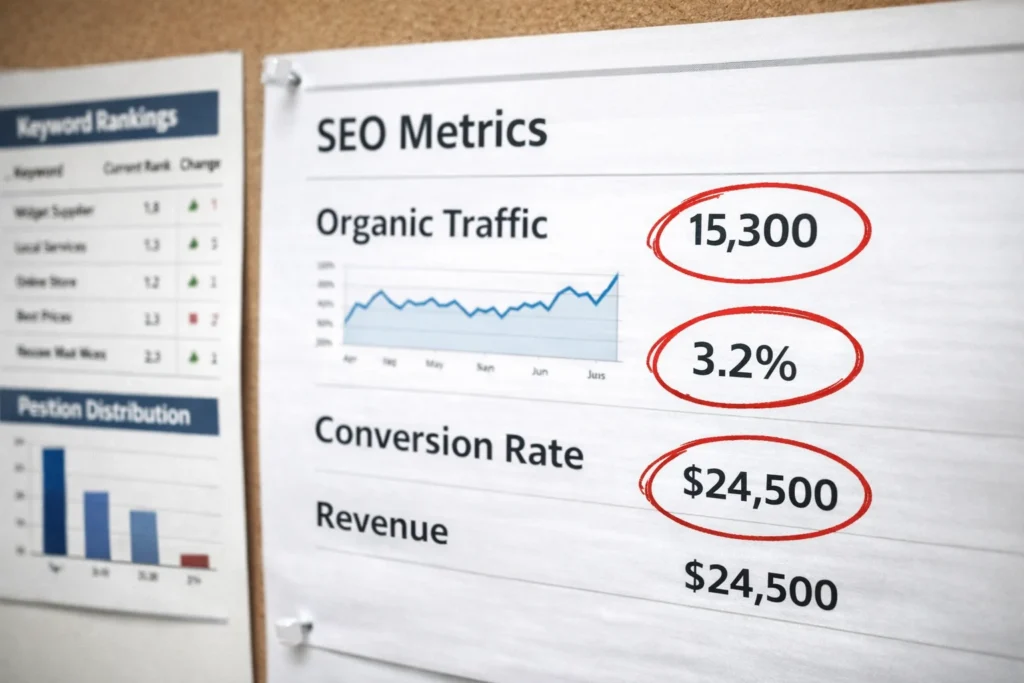
The brands winning in AI search are building authority, earning citations, and showing up where their customers actually look for answers. And the metrics that worked in 2023 have become obsolete. Impressions are up, clicks are down, and traditional rankings tell you nothing about AI citations.

If you need help adapting your SEO strategy, contact us today. We’ll help you with tracking actual visibility and business results in 2026.

Honest SEO in 2026: Why Over-Delivering Still Wins

Ethical SEO is absolutely worth the effort in 2026 because it delivers more stable rankings, stronger trust, and long-term growth than any shortcut.

We’ve worked with hundreds of businesses over the past five years and have seen both approaches play out. And honestly, the shortcuts always blow up eventually. Honest strategies, however, build businesses that last.

This guide shows you why over-delivering on value beats manipulation. You’ll learn:

  • Why ethical SEO delivers better business results than black hat tactics
  • How to build a rock-solid foundation that survives algorithm updates
  • What cutting corners means for your business in 2026

Ready to build something that lasts? Let’s get started.

What Is SEO Ethics?

What Is SEO ethics?

SEO (Search Engine Optimization) ethics or white hat SEO means following search engine guidelines while creating content that actually helps people.

Think of it like building a sturdy house. You follow the blueprint and use quality materials, so it lasts for years. Ethical SEO practices include earning links naturally, following technical best practices, and skipping manipulation tactics. There are no tricks or shortcuts, just strategies that work long-term.

Black hat SEO and other unethical SEO tactics are the exact opposite. They break every rule in the book. We’re talking about buying links, hiding text, or manipulating rankings through deceptive methods. Google actively hunts for these practices and penalises sites that use them.

The question isn’t whether ethical SEO is “right” (we all know it is). The question is: does it actually work better than shortcuts?

Why Honest SEO Delivers Better Results

Honest SEO delivers better results by building sustainable rankings, generating higher conversions, and creating compounding authority that grows stronger over time. Sketchy tactics might get you quick wins, but they inevitably lead to penalties and lost revenue.

Sustainable Rankings Survive Algorithm Updates

Google’s Helpful Content Update, which began in August 2022 and continued through 2023, targeted sites pumping out low-quality content at scale. For example, CNET faced backlash in early 2023 after AI-generated articles contained factual errors. The company later scaled back automation and implemented human review.

The takeaway: Ranking algorithms reward real expertise and experience. Sustainable visibility means staying steady through every update.

Authentic Content Converts Way Better

Customers spot the difference between valuable content and generic AI-generated content, and it shows in conversion rates. In our experience, authentic brands convert 2-3x better than sites pumping out thin content because readers can tell when you know what you’re talking about.

That trust translates directly into sales. When someone reads your content and thinks “this person gets it,” they’re way more likely to buy from you than from a competitor whose content sounds like a robot wrote it.

Ethical SEO Builds Compounding Authority

Ethical SEO builds compounding authority

While it’s true that black hat tactics get quick wins, you’ll likely spend the next six months recovering from penalties. Patient SEO strategies win long term because each piece of quality content you publish strengthens your site’s authority.

After a year of honest SEO, you’re building on a foundation that keeps getting stronger. The math is simple: would you rather chase short-term traffic spikes that disappear overnight, or build organic traffic that compounds year after year?

Building a Rock-Solid Ethical SEO Foundation

White hat SEO techniques come down to four practices that work, including quality content, genuine backlinks, solid technical SEO, and full transparency.

Quality Content that Demonstrates E-E-A-T

E-E-A-T stands for Experience, Expertise, Authoritativeness, and Trustworthiness. It’s Google’s framework for evaluating high-quality content and determining what deserves the top spot.

Each piece means something specific for your content:

  • Experience: Show you’ve done this stuff. If you’re writing about conversion rate optimization, don’t just say “test your headlines.” Share that you tested 12 variations and boosted conversions by 34%. Real numbers beat generic advice.
  • Expertise: Include credentials or relevant background, especially in sensitive industries like medical content. We learned this when a client’s health articles tanked without author bios listed upfront. Readers and Google both trust content from verified experts, so make those qualifications visible.
  • Authoritativeness and Trustworthiness: Cite reputable sources and publish original research whenever possible. Unique insights attract natural backlinks from other sites, which signal authority to search engines. The more original data you share, the more other websites will reference you.

Once your content demonstrates real expertise, the next step is earning links to back it up.

Earning Real Backlinks Through Genuine Value

Create resources other websites naturally want to reference, like original research, comprehensive guides, or tools that solve specific problems. Relying on cold emails for backlinks rarely moves the needle, because most get ignored or deleted (trust us, we’ve tried).

Instead, build real relationships with people in your industry. When you help someone solve a problem or provide unique insights they can’t find elsewhere, they’ll link to you without being asked. It takes longer, but those links move the needle.

But great content and links won’t save you if your site is broken.

Technical SEO Aligned with Google’s Guidelines

Technical SEO aligned with Google's guidelines

Your site needs to load fast, work perfectly on mobile, and be easy for Google to crawl. Sounds basic, right? Yet we still see sites losing rankings because they take 8 seconds to load or break completely on phones.

Use proper sitemaps and structured data to help Google understand your content. Following search engine guidelines like Google’s Search Essentials keeps you on track. But compliance alone isn’t enough. Run regular audits to catch broken links and duplicate content before they tank your rankings (because fixing problems after you’ve dropped 20 positions is way harder than preventing them).

Finally, none of this works without honest communication.

Be Transparent with Everyone Involved

Tell clients exactly what you’re doing and how long it’ll take. That means you don’t hide behind SEO jargon or promise them first-page rankings in 30 days just because it’s what they want to hear.

Sometimes you need to tell clients the hard truth, even if they don’t want to hear it. Since your reputation is more important than one difficult conversation, refusing to implement sketchy tactics protects both of you in the long run.

These four practices form your ethical foundation. They work across every industry and every strategy. But here’s the question everyone’s asking in 2025: where does AI fit into all this?

Using AI tools Without Crossing Ethical Lines

Google’s updates throughout 2023 and 2024 have increasingly targeted low-quality, mass-produced content. Their algorithms now spot patterns like generic phrasing, surface-level information, and robotic tones that readers dislike. This has led many people to wonder: Does this mean AI is completely off-limits for content creation?

Not exactly. The truth is, AI isn’t the problem. How you use it is. You just need to know where the line is.

These are the ethical standards for AI SEO:

  • Use AI for Research and Outlining Only: AI can help you find topics and structure ideas, but don’t just hit publish on whatever it generates. You need to heavily edit any AI-generated content before it goes live, adding your own voice and expertise throughout.
  • Add Your Actual Experience: This is where AI completely falls short. Include your tested results, case studies, or personal insights that only you can provide. For example, share the headline variations you tested or the conversion boosts you achieved. AI can’t manufacture real expertise, so this is where you prove you know your stuff.
  • Fact-Check Everything: AI hallucinates. It makes up statistics, invents sources, and confidently states things that aren’t true. Verify every single claim, number, and reference before you publish. Trust us, getting called out for fake data destroys credibility fast.
  • Disclose When Appropriate: Be transparent with your audience if AI played a major role in creating content. Readers appreciate honesty, and hiding AI usage can backfire when they figure it out (and they will).
  • Never Mass-Produce Thin Content: Using AI to pump out dozens of low-value pages might seem efficient, but Google treats this as spam. Those pages won’t rank, and you’ll waste time creating content that does nothing for your business.

The rule is simple: AI assists humans, it doesn’t replace them. Use it to work faster, not to work around quality standards. If you get AI wrong, you’ll face serious consequences. Let’s look at what cutting corners actually costs your business.

The Brutal Cost of Cutting Corners

The brutal cost of cutting corners

The SEO industry is projected to reach $176.16 billion by 2033, yet one penalty can destroy your rankings overnight. We’ve seen this happen so many times. A business spends months climbing to page one, then an algorithm update hits, and they’re suddenly buried on page five.

Or worse, completely gone from search results. And the ranking drop is just the beginning. The real damage from penalties goes much deeper.

Penalties Cost More Than Traffic

Recovery from penalties takes months, and the damage extends beyond rankings. Sites typically spend half a year or more removing toxic backlinks, rewriting content, and submitting reconsideration requests before organic traffic recovers.

Even after recovery, many sites never fully regain their previous visibility. Meanwhile, visitors who left during the penalty period have found alternative sources and established new habits.

The real damage goes deeper than numbers:

  • Customer Relationships: Visitors find alternative sources, subscribe to other services, and establish new buying habits during your downtime.
  • Industry Credibility: Partners distance themselves, other sites remove your backlinks, and collaboration opportunities vanish.
  • Domain Authority: Penalty signals can suppress trust scores for years, even after the penalty is lifted.
  • Brand Perception: Rebuilding relationships and trust takes years after penalty damage.
  • Wasted Resources: Teams spend months fixing penalties instead of growing the business.

Every day you’re down, competitors serve your potential customers and turn them into repeat buyers.

The worst part? You can’t even measure what you’ve lost. Those customers who found alternatives during your penalty aren’t coming back, and calculating their lifetime value is impossible because you’ll never see them again.

In fact, we’ve seen companies realize that starting fresh with a new domain costs less than trying to recover a penalised one. Sometimes it’s better to cut your losses and rebuild.

Years of work gone, all because someone thought they could outsmart Google.

Honest SEO Still Wins In 2026

SEO in 2026 can feel like a pressure cooker. Updates roll out, AI content floods every niche, and plenty of people still push risky tricks for fast wins. It’s easy to feel like you have to choose between growth and staying honest, but you don’t.

You’ve seen what works and what doesn’t. White hat SEO takes longer upfront, but the payoff is worth it. You build rankings that survive algorithm updates, authority that compounds over time, and a business you won’t have to rebuild from scratch.

The shortcuts aren’t worth it. Not when one penalty can wipe out years of work in a single update.

If you’re ready to build search traffic the right way, work with a Brisbane team that over-delivers. Motifo builds ethical SEO strategies that grow your visibility without risking your reputation. Contact us to get started.

Posted in

Why SEO Results Take Time and What Happens in the First 90 Days

Search engines need time to understand changes to a website, like content updates, technical improvements, and new links. That’s why SEO doesn’t deliver results overnight.

Most companies see early movement within 3 to 6 months, with stronger growth afterwards between 6 and 12 months. At Motifo, we’ve guided Brisbane businesses through this process for years. We know what realistic progress looks like and what to expect at each stage.

In this article, we’ll cover why SEO takes time and what happens in the first 90 days. You’ll also learn how to measure progress before rankings change.

Ready? Let’s begin.

Why Do SEO Results Take So Long?

Three SEO professionals are reviewing website performance and SEO timeline visuals on a desk in a naturally lit office.

SEO results take time because search engines need to crawl, index, and evaluate your pages before deciding where to rank them. Google also tests new content by moving rankings up and down for weeks before positions stabilise.

Here are the things that happen before search engines rank your site:

  • Crawling and Indexing: You might publish a blog post today, but it could sit unnoticed for days or even weeks. It’s because Google discovers pages on its own schedule. But bigger websites with regular updates get crawled more often, so if your site is newer, expect to wait a bit longer.
  • Trust and Authority: Building credibility with Google takes time (and there’s no shortcut). However, a strong backlink profile helps because it shows other websites vouch for your content. We’ve worked with new domains that took 6 months or more to rank, even with great content already live.
  • Ranking Fluctuations: Your page might hit position 15 one day and drop to 40 the next. It happens due to Google’s continuous testing. This back and forth usually lasts 60 to 90 days while the algorithm figures out how users respond to your content. Things tend to settle after that period.
  • The Google Sandbox: New websites often struggle to rank for the first few months, even when everything looks right. Google has never confirmed a so-called sandbox, but many site owners have experienced this delay. So the best approach here is to keep building quality content and earning links while you wait it out.

When these checks are complete, search engines have enough data to rank you.

What Happens in the First 90 Days of SEO?

A man and a woman are planning an SEO strategy at a desk, with a visual timeline board in the background representing the first 90 days of SEO work.

The first 90 days of SEO focus on building a solid foundation. It includes technical audits, keyword research, on-page fixes, and early content creation. You won’t see major ranking improvements yet, but this preparation sets up major things that come next.
We’ll explain what happens during the first three months below.

Days 1 to 30: Discovery and Technical Foundation

The first month usually covers research, technical SEO audits, and setting up tracking tools. Everything kicks off with a website audit. The goal here is to catch technical issues like broken links, crawl errors, or painfully slow load times. Keyword research runs alongside this process and finds terms you can realistically rank for.

Not only that, but core SEO tools like Google Search Console and Google Analytics get set up during this stage, too. They allow you to see how Google views your site and identify technical issues before they limit your visibility.

Days 31 to 60: On-Page Optimisation and Content Planning

The biggest benefit of getting on-page elements right is that it helps search engines understand your pages faster. These elements include meta tags, headers, and internal links.

At the same time, your content plan takes shape by using the research from the first month to decide what to create or improve next. Most teams tackle Core Web Vitals around now as well. Things like load speed, visual stability, and interactivity all factor into rankings.

When you handle these things properly, they improve the experience for users and make your site easier for Google to understand.

Pro tip: Use internal links to point from high-traffic pages to newer ones to help Google discover and value them faster.

Days 61 to 90: Content Publishing and Early Signals

By around day 90, some businesses begin to see long-tail keywords appear in the top 50. Around the same time, your content starts going live, like blog posts, landing pages, or updated service pages (depending on your plan).

And you should focus on being consistent here with your content rather than publishing everything at once.

Then there’s link building. This strategy includes guest posts, local citations, and outreach to industry sites. It moves slowly at first, but the effects build over time. And when it’s happening, long-tail keywords often improve in rankings before competitive ones. It’s a clear sign things are heading in the right direction.

What Factors Speed Up or Slow Down Your SEO Timeline?

Three SEO professionals in colourful semi-formal attire are discussing website in a modern office,.

Your website’s starting point, backlink profile, and technical health play a role in SEO. There are also other factors like content quality, competition, keyword difficulty, and consistency.

While not everything is in your control, you can improve some of these elements with the right approach.

Let’s go through how these factors impact your SEO:

  • Website Starting Point: Older domains with clean histories typically rank faster because they’ve already built some trust with Google. But new sites need time to prove themselves. If you’ve got existing content and decent traffic, you’re starting ahead of someone who’s building from scratch.
  • Backlink Profile: If you can get quality links from trusted sites, they can seriously speed up your SEO timeline. But weak or spammy links hold you back. We’ve seen clients stuck in limbo for months because of dodgy links from years ago. Remember that link building takes consistent effort, and there’s no way around that.
  • Technical SEO Health: You can lose time to crawl errors, slow load speeds, and mobile issues, which in turn delay indexing and rankings. On the other hand, when your site runs smoothly, search engines tend to pick it up faster. For that reason, improving Core Web Vitals helps users and also sends positive signals to Google.
  • Content Quality: Helpful and original content tends to rank faster than thin pages filled with keywords. It’s because Google is now better at telling the difference. When your content clearly answers what people are searching for, results usually come sooner.
  • Market Competition: Honestly, some industries are tougher than others. So if you’re up against competitors with years of authority and thousands of backlinks, it’s going to take longer to rank. In comparison, local markets are usually easier. That’s why many businesses see results sooner than national brands targeting the same keywords.
  • Keyword Difficulty: When it comes to keywords, the hardest ones can take a year or more to rank for. So we recommend starting with easier, long-tail keywords to build momentum first. Meanwhile, you should keep working toward more competitive terms.
  • Resources and Consistency: If you have a smaller budget, things will move more slowly, and that’s normal. What causes bigger delays is stopping and starting. In reality, breaking momentum pushes results back much further than limited spend ever does.

These factors explain why SEO rewards those who prepare properly and stay patient.

How Do You Measure Progress Before Rankings Improve?

A man is going through early SEO performance indicators on dual screens. It represents how progress is measured before rankings improve.

You measure early SEO progress through leading indicators like indexed pages, crawl frequency, and impression growth in Google Search Console (GSC). These metrics show that Google is noticing your site, even when rankings haven’t moved yet.

How about we explain what indicators mean?

Leading Indicators to Watch

First, you need to check how many of your pages are indexed in Google Search Console. If that number is growing, Google is finding and storing your content. Then you should keep an eye on impressions. You might not be getting clicks yet, but more impressions mean your pages are showing up in search results.

Crawl frequency is another good sign. If Google is visiting your site more often, it means the algorithm sees activity worth checking. These numbers probably won’t impress your boss at a Monday meeting, but they’re proof that things are moving in the right direction.

Useful tip: Check which queries trigger impressions without clicks and adjust titles to better match intent.

Why Rankings Bounce Before They Settle

Have you noticed your rankings move up and down from one week to the next with no clear reason? We mentioned earlier that it happens because of Google testing how your page performs.

And if you’re curious about why it’s like that, here’s why. When a new page enters the index, Google pushes the page up, watches how users interact with it, then pulls it back down to compare against competitors (just a part of the learning phase).

This kind of movement is expected early on as Google works out where your page fits.

We’ve had clients panic when rankings drop suddenly, but most of the time, it’s just the algorithm testing. As Google gathers more data, results usually settle within 60 to 90 days. During this phase, it’s best to avoid making quick changes.

Where to Go From Here

You now know that SEO results usually take at least 3 to 6 months. In that context, the first 90 days are about setting things up properly, rather than worrying about ranking high.

If your site is new or you’re in a competitive market, expect the timeline to stretch closer to 12 months. And if you’ve got an established domain with some authority already, you’re in a stronger starting position.

We’ve helped Brisbane businesses build SEO strategies that deliver long-term results. If you’re ready to get started or want a realistic timeline for your specific situation, get in touch with our team at Motifo today.

Internal Links: The Most Underrated SEO Strategy

Ever wondered why some pages on your website get plenty of traffic while others barely move? It’s a common frustration.

Many site owners focus on external backlinks but forget the powerful network hiding inside their own domain. That hidden structure is your internal link system, which connects content, strengthens visibility, and keeps visitors moving across your site.

As an experienced SEO company, we’ve seen internal linking improve rankings, lower bounce rates, and help pages that once sat unseen start generating steady traffic. And you can achieve the same.

In this guide, we’ll share the methods and insights that make this system work. You’ll learn:

  • How internal links help search engines crawl and understand your site.
  • The best ways to build relevance through contextual linking.
  • Practical methods to distribute authority effectively.
  • How strong internal linking improves user experience and engagement.

So, grab a quick coffee and let’s unpack why this strategy deserves your attention.

Internal Links for Crawlability and Site Architecture

A well-organised website is easier for both people and bots to understand. And internal links act as signposts that connect everything together. These links guide search engine crawlers through every section. When your structure follows a logical flow, pages on your site get discovered faster and gain more visibility.

Here’s how to build that clarity and strengthen the backbone of your internal linking strategy.

How Internal Links Create a Clear Site Map

The main job of internal links is to help crawlers understand how each page connects and supports the other.

For example, a blog article about on-page optimisation linking to your service page tells search engines that both belong in the same category. This helps the users and engines find relevant paths quickly and reduces the chance of pages getting lost.

Building a Stronger Hierarchical Structure

You should create a clear system that shows which topics hold more weight. The topic cluster model works by linking a main pillar page to several supporting ones.

Follow these simple actions to strengthen that structure:

  • Pick a pillar page, then link to other pages that answer subtopics.
  • Use clear anchor text that matches the question on each page.
  • Keep links consistent to support your site structure.
  • Review clusters as part of search engine optimisation.

After setting this up, people usually land on a hub and explore deeper answers almost instinctively. In turn, crawlers read the order and pass authority down the chain. It’s a bit like a library system, except your visitors won’t need a card to find what they’re after.

Helpful Tip: Keep your most important pages within three clicks of the homepage so the crawlers can find and value them easily.

Now that you understand the framework, let’s move to see how you can maximise relevance with your on-page context.

Maximising Relevance with On-Page Context

What makes a link feel natural instead of forced? Well, it’s the context surrounding it.

As we discussed earlier, internal links placed inside relevant sentences help both readers and search engines understand why two pages belong together. When you connect topics naturally, you create meaning that algorithms can read and visitors can follow with ease.

Maximising Relevance with On-Page Context

Let’s look at how these links work in practice.

The Power of Contextual Links

Contextual links are links placed within the main body of your relevant content, rather than just menus or footers. They guide visitors from one blog post to another related page, which gives meaning to each click and helps search engines understand how topics connect.

Here’s why they matter:

  • Keep readers focused on topics they care about.
  • Help navigational links feel more natural and useful.
  • Encourage longer sessions and lower bounce rates with meaningful pathways.

We recommend always adding these links naturally in your sentences. This way, each link supports the flow of your writing and builds stronger relevance across your site.

The Descriptive Anchor Text Advantage

If your anchor text says “click here,” you’re missing a chance to guide both readers and search engines. That’s because generic phrases give no clue about what’s on the next page, making it harder for everyone.

A descriptive anchor text uses specific wording that tells users what to expect before they click. It also helps search engines connect the web page to your main keyword and the target page’s keywords.

Once you use it correctly, your optimised anchor text improves clarity, supports ranking signals, and makes your linking look more natural.

Avoiding Anchor Text Over-Optimisation

After you’ve refined your strategy, it’s time to keep your use of anchor text balanced. Because overdoing optimisation can make your links look forced to search engines and distracting to readers.

To avoid those issues, follow these simple checks:

  • Avoid Using the Same Keywords: For lots of different pages, avoid using the exact same keywords as anchor text. It’s because repetition looks manipulative and weakens trust signals.
  • Space Out Your Links: If you don’t want your content to feel stuffed, don’t cram too many internal links into one paragraph or web page. Instead, spread them evenly to maintain flow and preserve link equity.

Though consistent linking is valuable, moderation always wins. We recommend keeping things natural and varied so your internal links strengthen authority without crossing into spammy territory.

Distributing Authority and Strategic Link Audits

Distributing Authority and Strategic Link Audits

Think of your website like a pyramid, with your most important content at the top and receiving the most support. The pages sitting below feed authority upward through strong internal links and help the whole structure stay balanced and visible.

Here’s how you can use those connections to strengthen your site’s structure.

Using High Authority Pages for Link Equity

Your internal links spread valuable link equity (often called link juice) from high-performing pages to others across your entire site. This transfer helps those quieter sections gain visibility and rank higher alongside your proven content.

Unlike external links, these internal pathways keep authority circulating within your own domain. So every connected page contributes to a stronger, more visible site that performs better as a whole.

Pro Tip: Review analytics regularly to spot pages that attract steady traffic and add new internal links from them to pages that need an extra push.

The Dofollow Advantage and Authority Check

To effectively transfer authority, you need to ensure every link is working as intended. That means checking that your dofollow links pass value and that any nofollow tag is used only when necessary.

Even a quick site audit shows which other pages share authority correctly and where nofollow links might block it.

Follow these steps to keep authority flowing where it counts:

  • Use a crawler tool like Screaming Frog to identify pages with nofollow attributes.
  • Review reports with tools like Ahrefs or Sitebulb to ensure the links are set as dofollow.
  • Revisit linking patterns to verify authority is reaching the right pages.

Conducting a Focused Internal Link Audit

Even your best content can fail to rank if search engines can’t easily find it. So regular checks are essential to keep your strategy sharp and consistent.

Let these simple steps guide your audit:

  • Do a Full Site Audit: Run a full technical site audit to find any pages on your site with no internal links pointing to them.
  • Search for Opportunities: To quickly find old content where you can add contextual links, use a simple Google search: site:yourdomain.com [keyword].
  • Check and Clean: Before creating new links from existing posts, do a regular internal link audit. If you find any broken links, fix or redirect them to preserve link value.

Once your structure is tidy, the next step is understanding how these links affect user experience and engagement.

Internal Links for User Experience and Engagement

Internal Linking for SEO: User Experience and Engagement

Wondering how internal links affect the way people use your site? Well, these links guide how visitors move between pages and help them discover more of what interests them (without needing to start over each time).

In this section, we’re going to see how thoughtful linking makes site exploration smooth, keeps readers moving naturally, and helps build lasting interest in your content.

Improving Pathways Beyond Menus

Clear pathways help visitors and crawlers reach important pages faster. While internal links inside your content lead readers to deeper information, external links connect your site to other websites that add supporting context.

The mix builds authority and supports effective site structure with stronger link-building connections across other sites.

In our experience, using both internal and external links tells search engines your content sits within a trusted, relevant network worth ranking higher.

Driving Visitor Flow and Reducing Bounce Rate

Moving from SEO theory to user experience, internal links guide readers to related pages and help lower your bounce rate. Here’s how:

  • Descriptive Text: When you use strong descriptive anchor text, website visitors are more likely to click through to relevant pages and stay engaged.
  • Strategic Linking: Strategic internal links make users spend more time exploring your site. The more pages they visit, the more traffic and the stronger behavioural signals you send to search engines.

The whole point of adding links is to guide your audience towards genuinely useful content. After all, no one likes a dead end (not even a crawler).

Building Strength from Within

Many websites struggle to gain visibility because their pages lack connection. The scattered structure leaves search engines guessing and visitors unsure where to go next. The good news is that strong internal linking creates a clear, connected path through your content.

Throughout this guide, we’ve covered how internal links improve crawlability, distribute authority, and enhance user engagement. You’ve also learned practical ways to build hierarchy, add contextual links, and audit your structure to keep every page working together.

Start strengthening your site today with expert SEO support from Motifo.com.

Our team builds data-backed strategies that boost visibility, increase engagement, and help your business grow steadily. So stop leaving rankings to chance and start connecting your success from within.

Posted in

Small Business SEO: Where to Start When Budget is Tight

Affordable SEO is how your local business gets found when someone searches online. Most Brisbane businesses believe search engine optimisation requires deep pockets and technical wizards. The truth is, you can handle plenty of affordable SEO strategies yourself.

Bear in mind, Google rewards websites that load fast, answer questions clearly, and match what local searchers want. Also, your competitor down the street might outrank you simply because they fixed their meta descriptions last week.

This guide breaks down affordable SEO services into tasks you can tackle right now. We’ll cover your Google Business Profile and simple on-page SEO fixes.

Keep reading to learn exactly where to spend your time for the biggest impact on search results.

Free On-Page SEO Fixes You Can Do Today

Page SEO sounds technical, but most fixes take less time than making coffee. You don’t need to hire anyone or learn code. The low-hanging fruit sits right in front of you.

Let’s tackle the simplest changes first:

Free On-Page SEO Fixes You Can Do Today

Fix Your Meta Descriptions First

Meta descriptions show up under your link in Google search results. They’re your first impression with potential customers, so make them count. We suggest you write a summary for each page using relevant keywords.

On top of that, keep descriptions under 160 characters so nothing gets cut off. Don’t forget to mention your location and what sets you apart.

Speed Up Your Pages in Minutes

Slow websites lose customers before they even load. That’s why most website owners compress images so they load faster. You should also delete old plugins you stopped using.

Once you’ve made these changes, Google Search Console shows you which pages still need attention.

Set Up Your Google Business Profile Properly

Your Google Business Profile puts you in front of local searchers when they need you. So, you must make sure to fill out business hours and upload real photos. Plus, reply to online reviews and answer customer questions.

Always remember that this profile feeds directly into the local pack results.

These three changes create a solid foundation for better search rankings.

Local SEO Tools That Cost Nothing

Free local SEO tools give you everything you need to compete without spending a dollar. What’s more, Google hands you powerful platforms that show exactly how your site performs in search results. However, most local business owners ignore these tools because they look complicated at first glance.

Here’s what you should start using today:

  • Search Console: Check where you rank for local keywords and which search queries bring visitors your way. You’ll notice some pages sitting on the second page of results. Those often need just small tweaks to jump into the top spots where customers actually click.
  • Analytics tracking: You’ll see patterns in how local searchers find your site and what keeps them engaged once they arrive. Connect it with Search Console to understand which pages convert browsers into buyers instead of just collecting dust.
  • Keyword finders: Look for location-based keywords your competitors haven’t targeted yet. Here’s the sweet spot: terms combining your service with suburb names often have less competition. Better yet, they bring nearby customers who are ready to buy what you offer right now.
Local SEO Tools That Cost Nothing

Now you’ve got the right tools in place, let’s talk about building trust in your local area.

Build Trust Through Reviews and Links

Trust comes from two things: what customers say about you and which websites link to yours. Search engines check both when picking who ranks higher. You can work on both without paying for SEO services.

Here’s where to focus your energy:

Get Online Reviews the Right Way

Online reviews boost your local pack visibility. Believe it or not, they convince searchers to pick you over competitors.

That’s why it’s best to ask satisfied customers for feedback right after delivering great service. Send them a quick message with a direct link. Plus, reply to every review because search engines notice engagement, and future customers see you care.

Link Building for Beginners

Link building happens when other websites mention yours. Start by listing your business in local directories and joining your local chamber of commerce.

Look for chances to sponsor local events or partner with nearby businesses. You can also create useful content that local news sites want to share with their readers.

Create Content People Search For

Local searchers type questions into Google looking for businesses in their suburb. That’s your chance to write blog posts answering the questions customers ask you most often. Use location-based keywords naturally throughout your content as you go.

Also, mention specific suburbs and landmarks people know, rather than vague phrases that could mean anywhere.

With these trust signals working for you, your local search performance starts improving.

What Brisbane Businesses Should Focus On

Brisbane businesses face tough competition in local search results. The thing is, what works in other markets doesn’t always work here. You need a local SEO strategy that fits your suburb, not cookie-cutter advice from somewhere else.

Start with your Google Business Profile. It controls how you show up in the local pack when people search nearby. Target specific suburbs instead of just saying “Brisbane.” Those narrow location-based keywords help you compete without needing huge advertising budgets.

Quick wins deliver more than perfect plans when cash is tight. Fix your meta descriptions this week. Then speed up your site next week. Each small change adds up and pushes your search rankings higher without draining your wallet.

What Brisbane Businesses Should Focus On

Professional SEO services make sense once you’ve nailed the basics. Too many Brisbane businesses jump straight to hiring an SEO agency when a good local SEO guide would get them most of the way there.

Start Small and Build Momentum

Affordable SEO doesn’t require fancy tools or expensive SEO packages. You’ve learned the high-impact tasks that move the needle. Pick one or two changes and tackle them this week.

Maybe you can fix those meta descriptions sitting there untouched. Or finally sort out your Google Business Profile the right way. Whatever you choose, each small win gives you momentum and pushes your local search visibility higher.

At Motifo, we have spent years helping Brisbane businesses climb search rankings and deliver real ROI. We know which affordable SEO services work because we’ve tested them.

Start with the basics, track your results through Google Search Console, and reach out when you’re ready to scale up.

Posted in

Stop Ignoring Image SEO: How Alt Text and Compression Drive Extra Traffic

Your website gets decent traffic, but alt text and compressing images could bring even more visitors through search engines. It is a fact that most business owners still focus on content and miss how SEO for images can steadily boost their reach.

This guide breaks down image seo into simple steps. You’ll learn how to optimise every image for search engines and a better user experience. We’ll cover:

  • Picking image formats that load fast
  • Alt text techniques that boost rankings
  • File naming strategies search engines prefer
  • Compression methods that keep quality high

We’ve helped dozens of Australian businesses grow their organic reach. How? Through these proven image optimisation methods.

Read on to see how image seo can drive steady traffic growth.

Image SEO Tips That Move the Needle

Most businesses mess up image seo because they focus on the wrong things. Based on our experience, these four image seo tips can create rich results for search engines.

Marketer optimising website images for SEO

Let’s explore the following core methods that work:

  • File naming: Descriptive names like “brisbane-cafe-interior.jpg” work much better than random codes like “IMG_2847.jpg”. When you use descriptive names, Google images can understand what your photo shows more clearly, which helps search engines understand your content better.

  • Alt tag writing: Screen readers need alt text to help visually impaired users access your content. Meanwhile, search engines use the same descriptive alt text to understand and rank your images properly.

  • Image compression: Properly compressed images make your site load much faster than unoptimised files. From my own browsing experience, the faster speed keeps visitors happy while telling Google that your page provides a good user experience.

  • Content matching: Random stock photos hurt your rankings because Google easily spots mismatched content. On the flip side, relevant images can boost page dwell time.

Ready to dive deeper into choosing the perfect image formats?

Picking the Right Image Format for Search Engines

Not all image formats work the same way for search engines and user experience. The right image format can cut your file size in half while keeping image quality intact.

Here’s when to use each format:

  1. JPEG: Perfect for photos and complex images with lots of colours. Lossy compression keeps the file size small while maintaining good visual quality. In fact, most websites see 60-80% smaller files compared to uncompressed versions, and visitors barely notice any quality difference.

  2. PNG: Best choice for logos, graphics, and images needing transparent backgrounds. The big advantage here is that every pixel stays perfectly preserved with no quality loss whatsoever. The downside? PNG files can be 3-5 times larger than JPEG versions, so avoid using PNG for detailed photos.

  3. WebP: Google’s modern format beats both JPEG and PNG for compression performance. What makes it special is that file sizes drop by 25-35% compared to JPEG while maintaining similar image quality. The catch is that browser support keeps growing, but some older versions might not display WebP images properly.

Most Australian businesses stick with JPEG for photos and PNG for logos. WebP works great if your audience uses modern browsers, but always test compatibility first.

Writing Image Alt Text That Works Double Duty

Alt tag helps both visually impaired users and search engines understand your images. The problem is that many businesses either ignore alt text completely or cram it full of keywords.

Team writing descriptive alt text for images

Here’s a simple way to write alt texts for images: Picture yourself describing an image to someone who can’t see it. “Red sports car parked outside Melbourne showroom” gives clear context, while “sports car red Melbourne automotive SEO” sounds robotic and unhelpful.

Screen readers work best with alt text under 125 characters. So, keep descriptions concise but specific. Also, avoid starting with “image of” or “photo showing” because assistive technology already announces the element type.

The alt tag becomes a ranking factor when you write naturally for humans first. Search engines can tell when alt text sounds genuine versus when it’s stuffed with keywords.

Image File Names That Google Images Notices

Google Images pays attention to your file names when deciding which images to show in search results. Poor naming habits mean missed opportunities, while descriptive file names can boost your image search visibility.

Here’s what good file naming looks like:

Use Words That Match Your Content

Describe what people actually see in the image rather than using random names. “Mechanic-repairing-car-engine.jpg” tells search engines exactly what your photo shows, unlike “Photo1.jpg” or “Untitled.jpg.”

According to our research, the descriptive approach can increase your chances of appearing in relevant Google search results by up to 40% compared to generic file names.

Include Your Location for Local Searches

Adding your city helps local customers find you through Google Images searches. For example, “Perth-bakery-fresh-bread.jpg” connects with people searching for local food options in their area.

In fact, complete Google Business Profile listings get seven times more clicks than incomplete ones, which shows how location details boost local visibility.

Replace Spaces with Hyphens

File names need hyphens between words so search engines can read them properly. “Hair-salon-before-after.jpg” works perfectly, while “Hair salon before after.jpg” creates technical problems for web servers. The hyphen method also prevents broken links that happen when browsers convert spaces to ” ” characters.

After sorting your file naming, the next step involves making those perfectly named images appear lightning-fast.

Shrinking Images Without Destroying Quality

File size matters more than most business owners realise for search engine rankings. Heavy and low-quality images make pages load slowly, and as you all know, poor site speed directly impacts your search rankings.

Team reviewing image compression results on laptop

Large images are the biggest culprits for slow loading times. Follow these steps to compress images effectively:

  • Step 1: Compression works differently for photos versus graphics because photos can lose invisible data without quality loss, but logos must stay pixel-perfect. When you compress images using lossy optimisation, you can reduce image sizes by at least 80% according to performance experts.

  • Step 2: Uploading 3000px photos for 400px containers wastes bandwidth and frustrates visitors with slow loading times. Instead, resize a full-sized image to match their actual display image size so browsers don’t struggle with unnecessary data processing.

  • Step 3: Mobile devices need smaller image files than desktop computers, so serve different sizes to improve user experience and loading speed. Serving desktop-sized images to mobile devices can use 2–4x more data than needed. Also, keep in mind that implementing responsive images correctly requires different file sizes for each breakpoint.

  • Step 4: Images below the fold should load only when visitors scroll down to see them, rather than all at once. One website owner reported that lazy loading reduced load time by a whopping 40% on their site. This prevents large images from blocking initial page rendering, and it works well for blog posts with multiple photos.

Want to see how all these image optimisation techniques can work together for your business?

Ready to Boost Your Website’s Hidden Traffic Source?

Image seo might seem insignificant, but the traffic boost adds up quickly over time. Once you follow our guidance, you’ll watch your images rank in Google Images searches. While you’re rising, most of your competitors fall behind because they skip these steps completely.

Trust us, you will notice that people who find you through image searches often convert better because they’re actively looking for exactly what you offer.

At Motifo, we help Brisbane businesses see rich results from search engine optimisation. Our clients found that image optimisation brings in steady visitors they never expected.

So, are you ready to see how proper image seo can grow your organic traffic? Contact us today to make your business stand out in search results.

Posted in