Why Custom SEO Strategies Outperform One-Size-Fits-All Campaigns

SEO is not a one-size-fits-all solution. Businesses that see results usually have a custom SEO strategy aligned with their goals, audience, and market. And search engines prioritise pages that are relevant, authoritative, and closely matched to what people are searching for.

At our agency, we’ve seen firsthand how custom SEO campaigns designed for a business’s unique needs can improve website performance. They attract more qualified traffic and deliver stronger returns over time.

In this guide, we’ll explain why custom SEO strategies consistently outperform generic SEO packages and highlight the main elements of a plan built around your business goals.

What Is a Custom SEO Strategy?

What Is a Custom SEO Strategy?

A custom SEO strategy is built around one specific business goal, target audience, and current search performance. Since every business faces different challenges and opportunities, a personalised approach delivers better results than a generic package.

At its core, a custom SEO approach pulls together keyword research, search intent mapping, and technical fixes that are relevant to your site. For instance, a plumbing company in Toowong and a fashion retailer in Fortitude Valley will go after completely different audiences, so their SEO strategy should reflect that gap.

Every tactic has a reason to be there, and that reason ties directly back to your specific business and where you want to go.

Why One-Size-Fits-All SEO Falls Short

Most generic SEO campaigns look well-planned on paper, but they apply the same tactics to every business regardless of industry, audience, or competition level.

The problem is that when a strategy isn’t aligned with your business goals, it often attracts the wrong traffic. This is where a custom approach makes the most sense.

Your Business Goals Don’t Look Like Everyone Else’s

A local Brisbane tradie and an e-commerce store have almost nothing in common when it comes to SEO. One needs local visibility, the other needs product pages ranking nationally. Effective SEO strategies account for that difference from the very start.

As a result, custom plans tie every tactic directly back to specific, measurable business goals. That means your SEO efforts aren’t scattered across tactics that have nothing to do with where you’re trying to go.

Target Audience Signals Google Can’t Ignore

Google pays close attention to how well your content matches what your target audience is searching for. That’s user intent in action, and it’s one of the strongest ranking signals search engines use. When your pages line up with what people want, organic traffic follows naturally.

Generic campaigns rarely dig deep enough into search intent to get this right. But a custom strategy does, and the difference shows up in your keyword rankings over time.

Search Intent Mapping: The Real Starting Point

Search Intent Mapping: The Real Starting Point

Search intent mapping is the process of figuring out why someone types a search query. For instance, a person searching “best SEO agency Brisbane” wants to compare options. Whereas someone searching “what is search engine optimisation” is just getting started. Those two people need completely different content, and search volume data alone won’t get you there.

When you map search terms correctly, each page on your site serves a clear purpose. It also ensures informational queries reach pages designed to answer them (think of it as giving Google a clear map of your site instead of hoping it figures things out on its own).

With that foundation in place, an effective organic search strategy puts search intent mapping at its core. And that one decision drives your content, structure, and priorities moving forward.

What Goes Into a Personalised SEO Campaign?

Most personalised SEO campaigns cover at least three essential areas, such as on-page optimisation, technical SEO, and off-page SEO. Each one of these gets more or less focus depending on where your site currently stands.

  • On-Page Optimisation and Content Creation: Your page titles, meta description, and on-page content are the most important things search engines read. Even small fixes here, like making a weak page title more clickable, can significantly improve click-through rates.
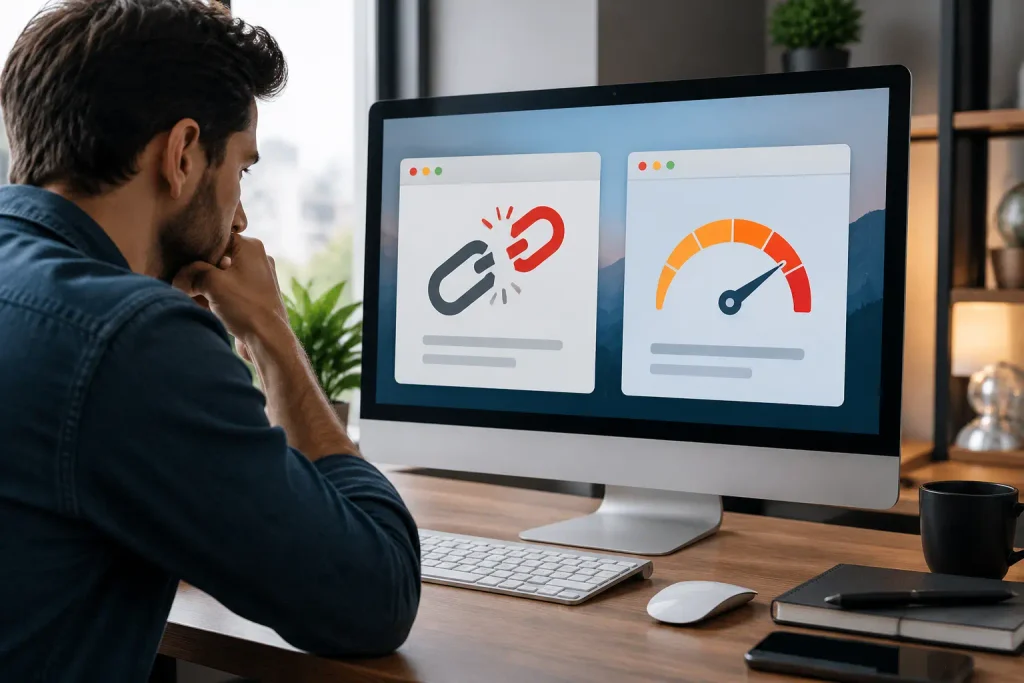
  • Technical SEO and Site Structure: Research analysing 250,000 websites found that 42.5% had broken internal links and 32.2% temporary redirects. The site audit tool helps uncover and fix these issues, along with page optimisation and site structure issues.
  • Off-Page SEO and Link Building: Off-page SEO builds your site’s authority through quality backlinks from other websites in your niche. More importantly, a custom approach targets relevant link-building opportunities instead of chasing volume, which is what separates a site that climbs in rankings from one that stays stuck.

Every one of these elements connects back to your broader business goals. And when they work together, your SEO campaign moves in one clear direction instead of pulling apart.

That’s also why it’s important to understand what to expect from an SEO campaign.

Core Web Vitals and Why They Differ by Site

Core Web Vitals are a set of technical measurements Google uses to assess how well your pages perform for users. They cover three key areas:

  • Loading Speed: how quickly your page content appears
  • Interactivity: how fast your page responds to user actions
  • Visual Stability: how steady your layout remains on mobile devices

Because of this, site speed alone can push a page up or down in search results, depending on how it compares to competing pages.

Every site has different technical implementation gaps, and that means fixes need to be prioritised individually in place of being applied in bulk. One site might need work on web pages bloated with uncompressed images. Another might have crawl budget management issues or a broken URL structure holding it back.

A one-size SEO approach rarely picks up on these differences. That’s why technical audits are always part of a strong custom plan.

How Google Analytics Guides Your SEO Planning

Data is what separates a guess from a good decision in SEO planning. Here are the three areas where the right tools shape your custom SEO campaign.

  1. Google Analytics for Traffic Insights: Google Analytics shows you which pages bring in visitors, where people drop off, and what converts. If a page gets 500 visits a month but zero enquiries, that’s a signal worth acting on immediately.
  2. Fixing Gaps With Search Console: Search Console tracks keyword performance and flags technical issues affecting your rankings. Most sites have at least 3 to 5 indexing problems sitting undetected, and this is where you uncover them.
  3. SEO Metrics Into Action: Instead of just reporting numbers of Key performance indicators and SEO performance scores, focus on what they reveal. Consistent tracking keeps your campaign on the right path.

Without this layer of ongoing analysis, your SEO planning is based on assumptions. Brisbane businesses we’ve worked with likely see more consistent and predictable SEO results when they commit to regular data reviews.

Seeing It in Your Search Results and Conversion Rates

Seeing It in Your Search Results and Conversion Rates

The real measure of any SEO campaign shows up in your search results and what happens after people land on your site. When tactics are matched to your search engine rankings gaps, targeted traffic grows, and conversion rates follow.

Over time, search engine results show that a well-designed plan builds organic growth at a steadier pace. Online visibility improves because every page is optimised with a clear purpose.

Ready to Stop Guessing and Start Ranking?

Personalised SEO campaigns outperform generic ones for a simple reason: every strategy is built around your business goals, your audience, and where your site stands right now. A custom SEO strategy removes the guesswork and directs your digital marketing effort where it’ll have the most impact.

SEO success doesn’t happen by accident. Every scheme needs a reason to be there, and that reason should connect directly to your SEO goals and the people you’re trying to reach. Local businesses across Brisbane have seen what focused, custom-made effort can do when the plan is built around them.

If you’re ready to build a strong SEO strategy that works for your specific goals, Motifo is here to help. Get in touch with our team today, and let’s put together a plan that fits your business from the ground up.

SEO Strategies That Deliver Long-Term Growth Instead of Short-Term Spikes

Most businesses start their SEO campaigns the same way. They pick some keywords, publish a few pages, and wait for the traffic to roll in. When it doesn’t, they switch tactics, the cycle repeats, and nothing sticks.

A long-term SEO strategy works differently. It builds organic traffic gradually, holds up when Google shifts the goalposts, and compounds gains in traffic, visibility, and authority over time.

This article breaks down the strategies that deliver consistent, lasting growth. If you’ve ever wondered why your competitors keep outranking you month after month, you’re about to find out why.

Why Most SEO Strategies Fail to Last

Most SEO strategies fail for one simple reason: they’re built for quick results rather than long-term durability. Businesses pour money into SEO campaigns expecting fast rankings, then pull back the moment results slow down. Unfortunately, that often happens just as real progress begins.

Strong SEO performance usually comes to businesses willing to play the long game. Shortcuts like keyword stuffing, cheap link schemes, and thin content might nudge rankings up for a while. But when algorithm updates hit, those gains disappear overnight.

Here’s what’s going wrong beneath the surface, and what search engines are looking for instead.

The Short-Term Spike Problem in Organic Search

Traffic spikes from quick tactics rarely hold up in organic search. In fact, the #1 organic result in Google earns an average 27.6% click-through rate. Consistently holding those positions tends to deliver far more value than chasing short-lived traffic spikes.

Sustainable rankings rely on strong content, a technically sound website, and steady authority-building. Without those elements, an early spike in traffic rarely lasts. The numbers may look encouraging at first, but search visibility often declines within a few months.

What Search Engines Actually Reward Over Time

What Search Engines Actually Reward Over Time

Search engines have always favoured websites that demonstrate consistent trust and authority. Google assesses those qualities through signals such as high-quality content, strong site performance, and genuine backlinks.

User engagement plays a big part, too. Pages that keep visitors reading, clicking, and coming back tend to hold their search engine rankings far longer than pages optimised purely for bots.

Remember that the sites sitting at the top of search visibility for years aren’t there by accident. They’ve built something worth ranking, and search engines can tell the difference.

Building a Long-Term SEO Strategy That Holds

A successful SEO campaign isn’t built overnight, and the businesses that treat it that way tend to struggle. The ones that get it right combine content, technical health, and authority building into one cohesive plan.

That’s what a sustainable SEO strategy looks like in practice. Each element feeds into the next, which helps traffic, authority, and visibility build over months and years rather than days. Based on our experience helping businesses improve their search visibility, consistent content updates help build long-term search trust.

Let’s look at how effective SEO campaign development breaks down across the three areas that count most.

Quality Content and Long Tail Keywords

Strategic keyword research helps you find what your audience is searching for, not just what gets the most clicks. In many cases, the most valuable keywords are not the most popular ones. Long tail keywords might have lower search volume, but they attract visitors who are much closer to taking action.

Here are the content and keyword factors worth focusing on:

  • Search Intent Alignment: Publishing content around what people are genuinely searching for keeps your pages relevant long after they go live.
  • Relevant Keywords Throughout the Site: Natural keyword placement in headings, body copy, and meta descriptions helps search engines understand each page’s topic.
  • Proper Keyword Research: Thorough keyword research before writing saves time and prevents you from targeting terms with little or no search demand.

Good content built around the right target keywords does two things at once: it satisfies search intent and gives Google a clear reason to keep ranking your pages over time. Beyond individual pages, building content clusters around related topics can further strengthen topical authority.

Local SEO and Google Analytics

Local SEO and Google Analytics

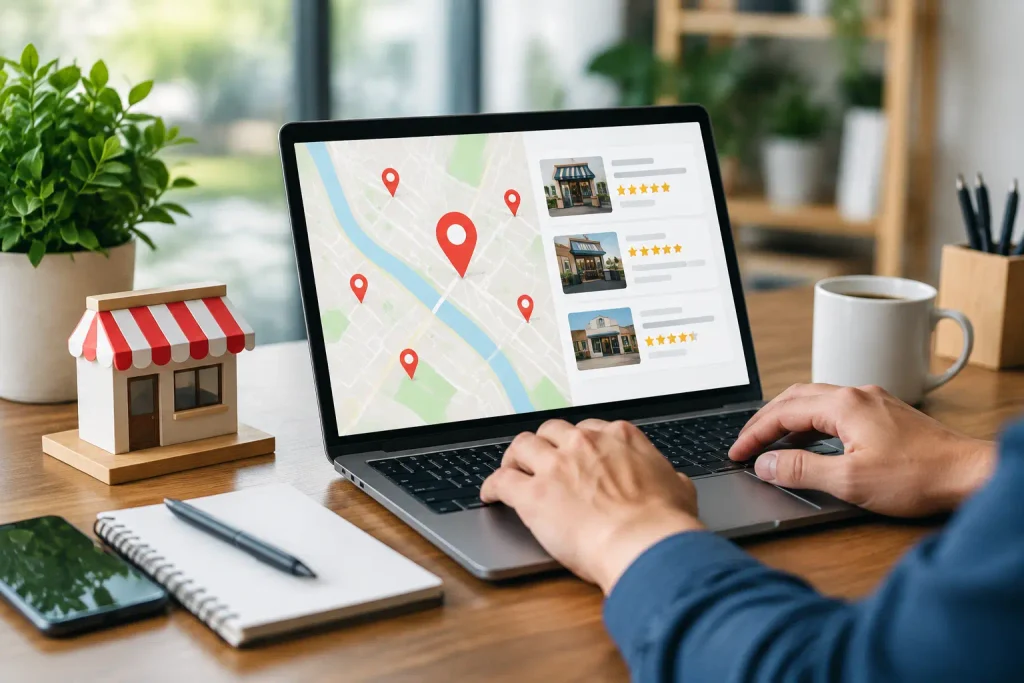
Local SEO puts your business in front of people searching in your area. Someone in Fortitude Valley or Chermside looking for your services will often form their first impression through local search results.

Once your local visibility is in place, the next step is understanding how those visitors interact with your website. Google Analytics and Google Search Console give you a clear view of your SEO campaign performance. With visibility into keyword rankings and traffic-driving pages, you can make decisions based on data rather than assumptions.

From there, you can track whether that traffic is actually converting. Key performance indicators like organic sessions, bounce rate, and conversion rate tell you exactly where your SEO strategy is delivering and where it needs work. Keeping an eye on Google Business Profile also helps local searches find you faster.

Website Optimisation, Link Building and High Quality Backlinks

Technical SEO covers the behind-the-scenes factors that affect how well Google can read and rank your site. On-page optimisation, site speed, and mobile compatibility all feed directly into your search performance.

The following technical and off-page factors play a major role:

Factor

What It Covers

Technical SEO

Site speed, mobile compatibility, crawlability

On Page Optimisation

Headings, meta descriptions, internal links

Link Building

Outreach to reputable websites for authoritative backlinks

High Quality Backlinks

Votes of confidence that lift your domain authority

Website Optimization

URL structure, page experience, core web vitals

Every one of these factors works together. A fast, well-structured site with authoritative backlinks from reputable websites is a combination that holds up in search rankings for years.

How to Increase Organic Traffic Without Burning Out

Sustainable SEO is an ongoing process that needs consistent effort over time, and that’s where a lot of businesses hit a wall. The good part is that SEO campaigns don’t have to feel exhausting. With the right approach, you can increase organic traffic steadily without stretching your team or blowing your budget.

These practical steps help you keep moving forward at a sustainable pace.

Search Intent and Choosing the Right Keywords

Finding high-value keywords means looking beyond the numbers and understanding user intent. In other words, it refers to what someone hopes to achieve when they type that search query into Google.

That intent plays an important role in keyword research because it helps you map content to different stages of the buyer journey. Also, businesses should keep a realistic SEO timeline in mind, as ranking improvements often take months rather than weeks to gain traction.

Voice search is worth keeping in mind. More people are searching conversationally through mobile devices, and that’s pushing search intent in a direction that rewards natural, specific language over stuffed keyword phrases.

Making Your SEO Strategy Work Smarter Over Time

Making Your SEO Strategy Work Smarter Over Time

Repurposing a well-performing blog post into a video, infographic, or social post extends its reach without adding much to your workload. That’s a content strategy that works smarter, instead of harder.

Internal links between related pages also strengthen your site structure and help Google crawl your website content more efficiently. This is important because Organic search is projected to account for 53% of website traffic in 2026, compared with roughly 15% from paid traffic.

Keeping an eye on emerging technologies, industry news, and algorithm updates also keeps your SEO performance from slipping.

Ready to Stop Chasing Spikes and Start Building Something That Lasts?

Sustainable SEO comes from consistent work, strong foundations, and the patience to let results build over time. The businesses that commit to that process are the ones that achieve sustainable growth without constantly second-guessing their next move.

Long-term success in SEO doesn’t happen by accident. It takes consistent effort, the right SEO metrics to guide decisions, and a willingness to stay the course. That’s exactly what we help Brisbane businesses do at Motifo.

If you’re ready to increase organic traffic and build online visibility that holds up, get in touch with our team today. We’d love to show you what sustainable SEO can do for your business.